

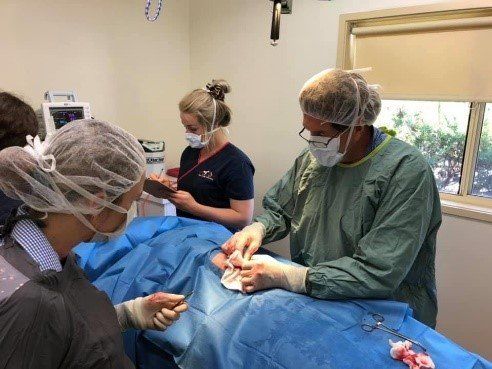
Animals body fluid! Was there ever a day I was not covered in it?
Admin Team
Vet nursing really isn't for the faint hearted. You have to be a special kind of person. Danni however, is that special kind of person. She would like to instill one piece of advice on her younger self! "ALWAYS KEEP YOUR MOUTH CLOSED!".
I started with Yass Valley Veterinary back in 2014 as a shy and quiet vet nursing student with little experience in the industry. It was quite intimidating walking into the clinic for the first time surrounded by so many skilled staff members. I remember the two most experienced nurses, Heidi and Anita rushing around assisting the vets with an emergency snake bite and thinking to myself how incredible they were and how much I wanted to be like them.
Growing up with multiple animals in our house hold somewhat prepared me for the job I had just walked in to. But if I had one piece of advice to give anyone wanting to become a veterinary nurse, that would be ‘it’s not all puppies and kittens’.
The hardest part of nursing is without a doubt euthanising a loved family member. I always get asked “ do you get used to it?” or “do you get sad?” and honestly, you never really get used to it. You just develop different coping mechanisms. Generally, when euthanising animals, they are very old and sick so euthanasia is the kindest thing for them. However once the animal is no longer suffering it becomes the owner who suffers and that there, is part the gets to me.
On a lighter note, I can’t recall one day that I was not covered in some sort of animal bodily fluid. There are many aspects of nursing that require you to have quite a strong stomach. Some of the regular occurrences include being urinated on by a nervous puppy or getting projectile anal gland fluid to the face. On farm visits you get covered in cow faeces or sneezed on by a horse with a nosebleed and let me tell you that nothing spreads blood quite like a happy dog with an open tail wound. On the very rare occasion you are not covered in it, someone else is! That is when you also need thick skin and a good sense of humour. Because 9 times out of 10, a work colleague will have seen the incident and they will not refrain from laughing. If I could go back and tell my younger self one piece of advice it would be to “ALWAYS KEEP YOUR MOUTH CLOSED”.
Although this all sounds very off putting and you would question anyone who would willingly put themselves through this, I have to say I absolutely love my job. The good days generally out weigh the bad. Your day can be instantly made by a litter of 6 week old puppies to cuddle (vaccinate and microchip of course), or if the vet is booked in to go out pregnancy testing cattle and needs an assistant to help in the yards. You are constantly growing and learning every day which is exactly why I stuck to it and am now training and teaching younger nurses as the nurse supervisor.
Furthermore, I would not be able to do this job if not for the people I work with. We all have the same love and compassion for our animals and our jobs. You know that you work in a great environment when you want to spend time with your colleges on the weekend after being with them for a 10-hour shift. The team at Yass Valley Veterinary are practically a family, and they have been a massive contributor to the person I am today.
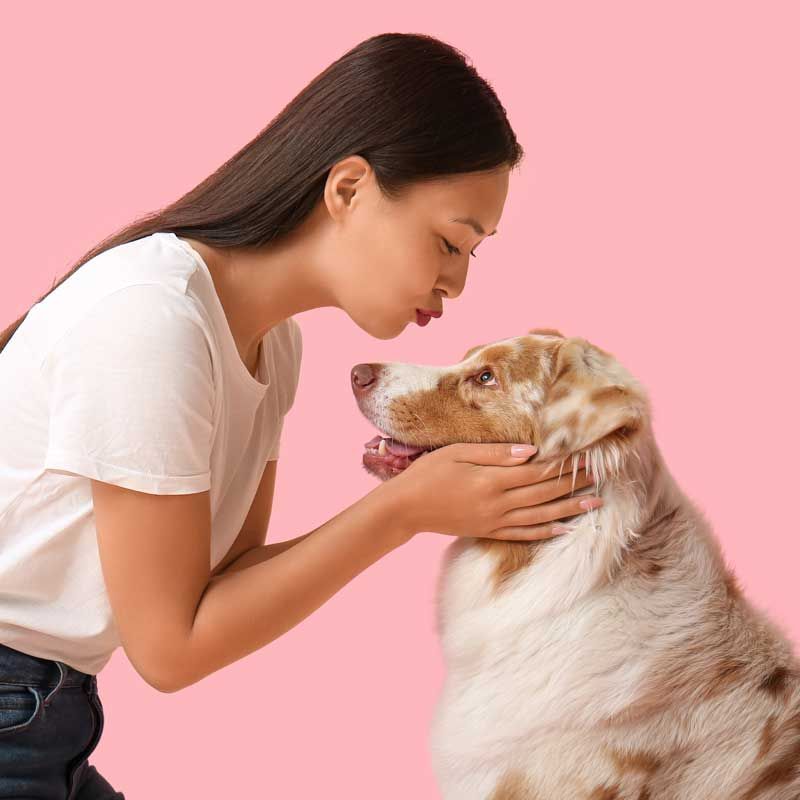
The pet wellness program designed to keep your pets happy and healthy all year round. At Yass Valley Veterinary, we’re excited to introduce Supertails, the pet wellness program designed to make it easier (and more affordable) to keep your pets happy and healthy all year round. What is Supertails? Supertails is a simple monthly membership that gives you unlimited vet consults plus discounts on everyday services and preventative care. It’s all about providing peace of mind, affordability, and the very best care for your furry family members. Why Join Supertails? Unlimited vet consults – no extra cost for those “just in case” visits. Exclusive member discounts on routine services like dental, desexing, and vaccinations. Peace of mind knowing you can prioritise your pet’s health without worrying about the bill. Better preventative care with regular visits that catch issues early. Supertails makes it easier to say “yes” to the care your pet deserves.
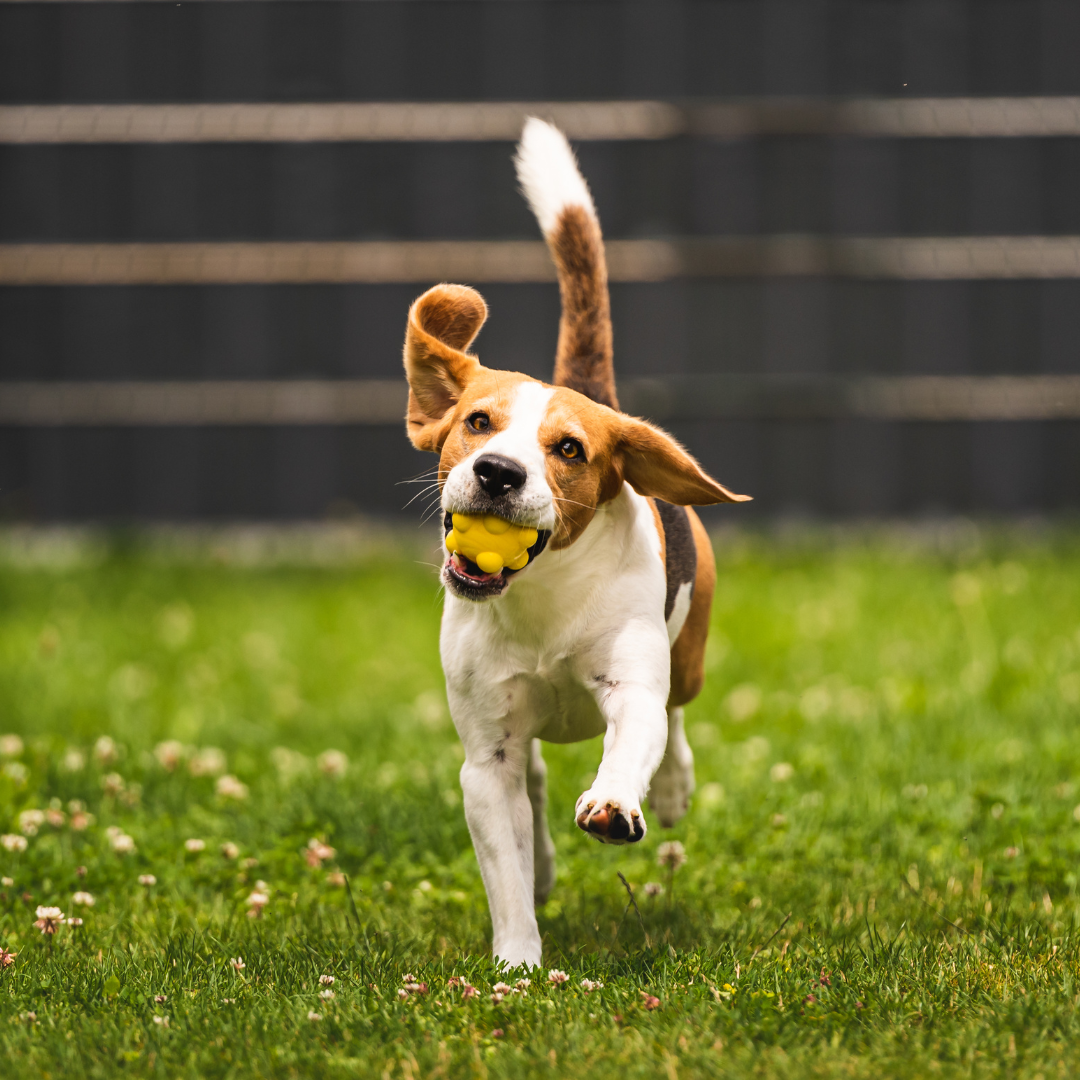
Spring brings longer days and more opportunities to enjoy the outdoors with your pet. While the warmer weather is exciting, it also brings seasonal hazards that can put curious dogs and cats at risk. Across New South Wales, spring means increased snake activity, parasites, blooming plants and seasonal allergens. Knowing what to look out for can help keep your pet safe. At Yass Valley Veterinary , we’re passionate about preventative care and helping pets stay healthy all year round. Why Spring Can Be Risky for Pets Warmer weather encourages pets to spend more time outdoors, but it also creates ideal conditions for seasonal hazards. As temperatures rise, snakes become more active, parasites increase, and gardens fill with plants and products that may be harmful to pets. Even pollen and grasses can trigger allergies in some animals. Protecting your pet during spring can help: Reduce the risk of snake bites Prevent parasite infestations Avoid accidental poisoning Keep skin and ears healthy Enjoy safer outdoor adventures Common Backyard Hazards to Watch For Many spring hazards are easy to overlook until they become a problem. Common risks include: Snakes in long grass, bushland and gardens Ticks, fleas and worms Seasonal allergies caused by pollen and grasses Toxic plants, fertilisers, herbicides and snail baits Grass seeds and other hazards hidden in long grass If you notice your pet becoming unwell after spending time outdoors, contact your veterinarian as soon as possible. How to Keep Your Pet Safe This Spring Simple preventative measures can significantly reduce your pet’s risk. Some easy ways to protect your pet include: Keep parasite prevention up to date. Avoid long grass where snakes may be hiding. Check your pet after walks for ticks, grass seeds or injuries. Keep toxic plants and garden chemicals out of reach. Supervise pets while they’re exploring the backyard. Contact your veterinarian if your pet appears unwell. Even small changes can make a big difference to your pet’s health and safety. When to Seek Veterinary Care Prompt treatment is essential if your pet has been exposed to a seasonal hazard. Seek veterinary care immediately if your pet: May have been bitten by a snake Has eaten a toxic plant or garden chemical Shows signs of weakness or collapse Has difficulty breathing Vomits repeatedly Develops severe swelling or allergic reactions Early treatment often leads to the best possible outcome. Prevention is the Best Protection Many spring emergencies can be prevented with regular health checks and year-round preventative care. During your pet’s annual examination, your veterinarian can recommend the most appropriate parasite prevention, discuss seasonal risks in your area and help you prepare for a safe spring. A little preparation now can help keep your pet happy and healthy throughout the season. FAQs: Hidden Dangers in Your Backyard This Spring Can pets get seasonal allergies? Yes. Pollen and grasses commonly cause itchy skin, ear infections and irritated paws in both dogs and cats. What should I do if I suspect a snake bite? Keep your pet calm and seek emergency veterinary attention immediately. Do not wait for symptoms to develop. How often should I use parasite prevention? Follow your veterinarian’s recommendation based on your pet’s lifestyle and the parasites common in your local area. Are garden products dangerous for pets? Yes. Fertilisers, herbicides and snail baits can all be toxic if ingested, so they should always be stored safely and used according to the manufacturer’s instructions. How can I make my backyard safer this spring? Keep grass short, remove toxic plants where possible, maintain parasite prevention, supervise outdoor play and regularly check your pet after spending time outside. Keep Your Pet Safe This Spring with East Doncaster Vet Hospital Spring is one of the best times of year to get outdoors with your pet, but it’s also important to stay aware of the seasonal hazards that come with warmer weather. Whether you need advice on parasite prevention, seasonal allergies or spring safety, our experienced veterinary team is here to help. Contact Yass Valley Veterinary today to book a health check and help your pet enjoy a safe and healthy spring.
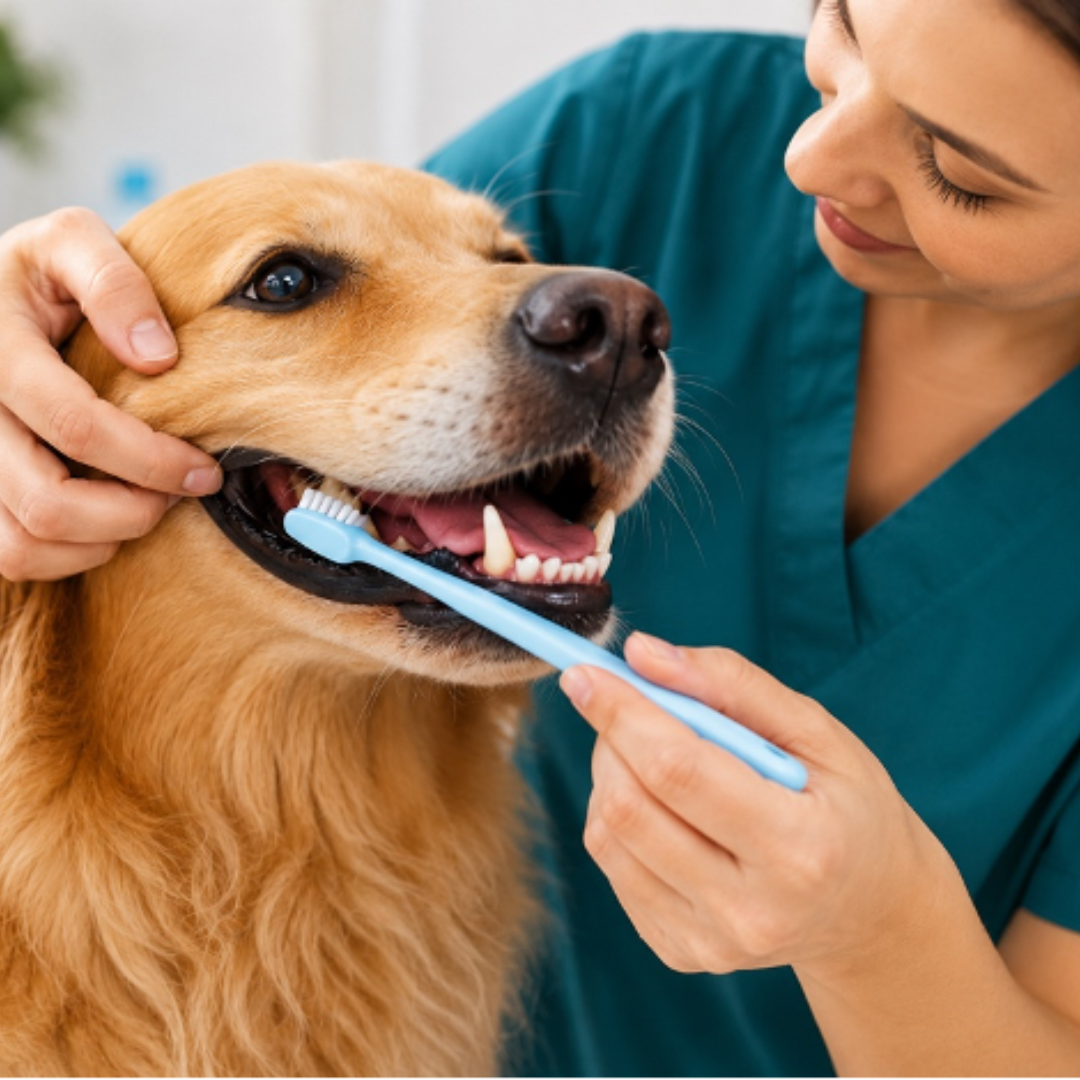
Learn how to keep your dog or cat's teeth healthy with simple dental care tips and preventative advice.
