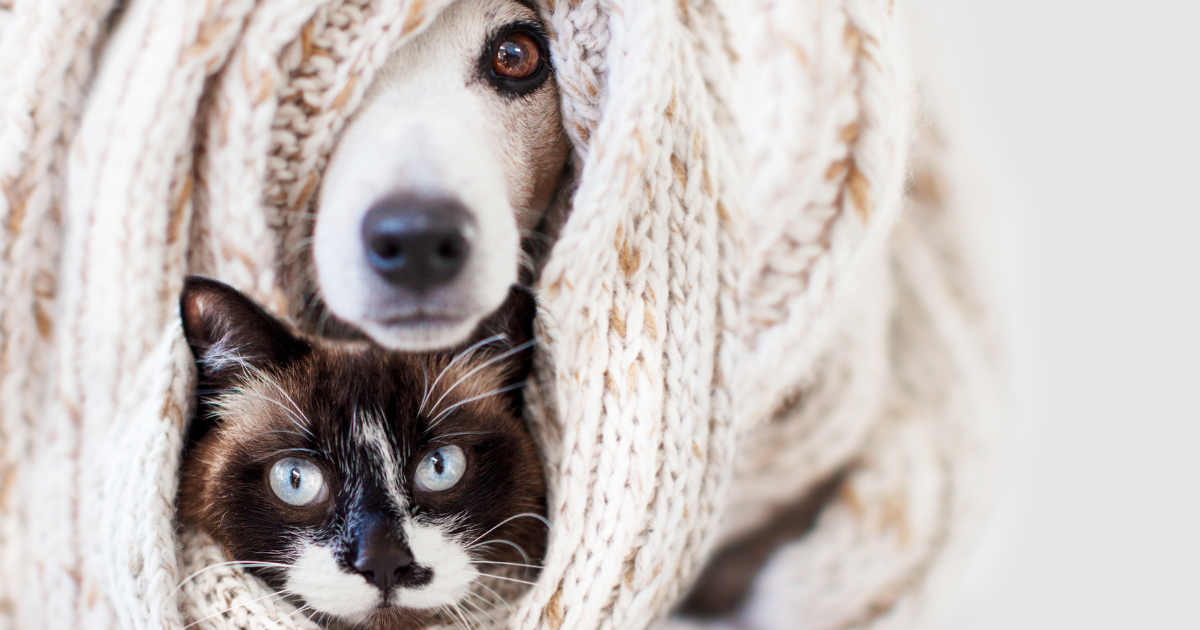
Keep Your Pet Healthy This Winter

Admin Team

As the temperature drops and winter begins, it’s easy to think your pet might need less veterinary attention than in warmer months. After all, they’re likely spending more time indoors, exercising less, and facing fewer pests. But the truth is, winter can present unique health challenges for pets, making their seasonal check-up just as important as ever.

Here’s why your pet’s winter check-up should stay on your calendar:


1. Joint and Mobility Concerns Worsen in Colder Weather

Just like humans, pets, especially senior dogs and cats or those with arthritis, can feel the effects of colder temperatures in their joints. If your pet is showing signs of stiffness, reluctance to jump, or slower movement, come visit us at Yass Valley Veterinary, we can offer treatment options, dietary advice, or supplements to ease discomfort and improve mobility.


2. Weight Management Is Key During the “Lazy” Months

Colder weather often means less outdoor activity and more snuggling under the blankets. That drop in exercise can lead to weight gain, especially in pets with already slower metabolisms. Here at Yass Valley Veterinary we can assess your pet’s weight, adjust feeding guidelines, and suggest indoor enrichment activities to help keep them healthy.


3. Hidden Health Issues Can Be Caught Early

Routine check-ups are the best way to catch potential health issues before they become serious. Dental disease, heart conditions, and metabolic issues like diabetes or thyroid problems can all go unnoticed without a vet exam, especially in winter when pets may appear sleepier or less active.


4. Support for Dry Skin and Winter Coats

Dry indoor air and colder weather can lead to flaky skin, brittle coats, and increased shedding. Come visit us at Yass Valley Veterinary, we can recommend grooming tips, skin-friendly diets, or supplements to help your pet look and feel their best all winter long.


Winter Check-Ups Keep Pets Thriving Year-Round

Your pet’s health doesn't hibernate in winter and neither should their veterinary care. A winter check-up is a great opportunity to address seasonal concerns, update preventatives, and make sure your furry friend is comfortable and healthy through the colder months.


Book your winter wellness check-up today by calling 02 6226 4444 because a happy winter starts with a healthy pet.
By Admin Team August 4, 2026
The pet wellness program designed to keep your pets happy and healthy all year round. At Yass Valley Veterinary, we’re excited to introduce Supertails, the pet wellness program designed to make it easier (and more affordable) to keep your pets happy and healthy all year round. What is Supertails? Supertails is a simple monthly membership that gives you unlimited vet consults plus discounts on everyday services and preventative care. It’s all about providing peace of mind, affordability, and the very best care for your furry family members. Why Join Supertails? Unlimited vet consults – no extra cost for those “just in case” visits. Exclusive member discounts on routine services like dental, desexing, and vaccinations. Peace of mind knowing you can prioritise your pet’s health without worrying about the bill. Better preventative care with regular visits that catch issues early. Supertails makes it easier to say “yes” to the care your pet deserves.
By Admin Team July 31, 2026
Spring brings longer days and more opportunities to enjoy the outdoors with your pet. While the warmer weather is exciting, it also brings seasonal hazards that can put curious dogs and cats at risk. Across New South Wales, spring means increased snake activity, parasites, blooming plants and seasonal allergens. Knowing what to look out for can help keep your pet safe. At Yass Valley Veterinary , we’re passionate about preventative care and helping pets stay healthy all year round. Why Spring Can Be Risky for Pets Warmer weather encourages pets to spend more time outdoors, but it also creates ideal conditions for seasonal hazards. As temperatures rise, snakes become more active, parasites increase, and gardens fill with plants and products that may be harmful to pets. Even pollen and grasses can trigger allergies in some animals. Protecting your pet during spring can help: Reduce the risk of snake bites Prevent parasite infestations Avoid accidental poisoning Keep skin and ears healthy Enjoy safer outdoor adventures Common Backyard Hazards to Watch For Many spring hazards are easy to overlook until they become a problem. Common risks include: Snakes in long grass, bushland and gardens Ticks, fleas and worms Seasonal allergies caused by pollen and grasses Toxic plants, fertilisers, herbicides and snail baits Grass seeds and other hazards hidden in long grass If you notice your pet becoming unwell after spending time outdoors, contact your veterinarian as soon as possible. How to Keep Your Pet Safe This Spring Simple preventative measures can significantly reduce your pet’s risk. Some easy ways to protect your pet include: Keep parasite prevention up to date. Avoid long grass where snakes may be hiding. Check your pet after walks for ticks, grass seeds or injuries. Keep toxic plants and garden chemicals out of reach. Supervise pets while they’re exploring the backyard. Contact your veterinarian if your pet appears unwell. Even small changes can make a big difference to your pet’s health and safety. When to Seek Veterinary Care Prompt treatment is essential if your pet has been exposed to a seasonal hazard. Seek veterinary care immediately if your pet: May have been bitten by a snake Has eaten a toxic plant or garden chemical Shows signs of weakness or collapse Has difficulty breathing Vomits repeatedly Develops severe swelling or allergic reactions Early treatment often leads to the best possible outcome. Prevention is the Best Protection Many spring emergencies can be prevented with regular health checks and year-round preventative care. During your pet’s annual examination, your veterinarian can recommend the most appropriate parasite prevention, discuss seasonal risks in your area and help you prepare for a safe spring. A little preparation now can help keep your pet happy and healthy throughout the season. FAQs: Hidden Dangers in Your Backyard This Spring Can pets get seasonal allergies? Yes. Pollen and grasses commonly cause itchy skin, ear infections and irritated paws in both dogs and cats. What should I do if I suspect a snake bite? Keep your pet calm and seek emergency veterinary attention immediately. Do not wait for symptoms to develop. How often should I use parasite prevention? Follow your veterinarian’s recommendation based on your pet’s lifestyle and the parasites common in your local area. Are garden products dangerous for pets? Yes. Fertilisers, herbicides and snail baits can all be toxic if ingested, so they should always be stored safely and used according to the manufacturer’s instructions. How can I make my backyard safer this spring? Keep grass short, remove toxic plants where possible, maintain parasite prevention, supervise outdoor play and regularly check your pet after spending time outside. Keep Your Pet Safe This Spring with East Doncaster Vet Hospital Spring is one of the best times of year to get outdoors with your pet, but it’s also important to stay aware of the seasonal hazards that come with warmer weather. Whether you need advice on parasite prevention, seasonal allergies or spring safety, our experienced veterinary team is here to help. Contact Yass Valley Veterinary today to book a health check and help your pet enjoy a safe and healthy spring.
By Admin Team July 31, 2026
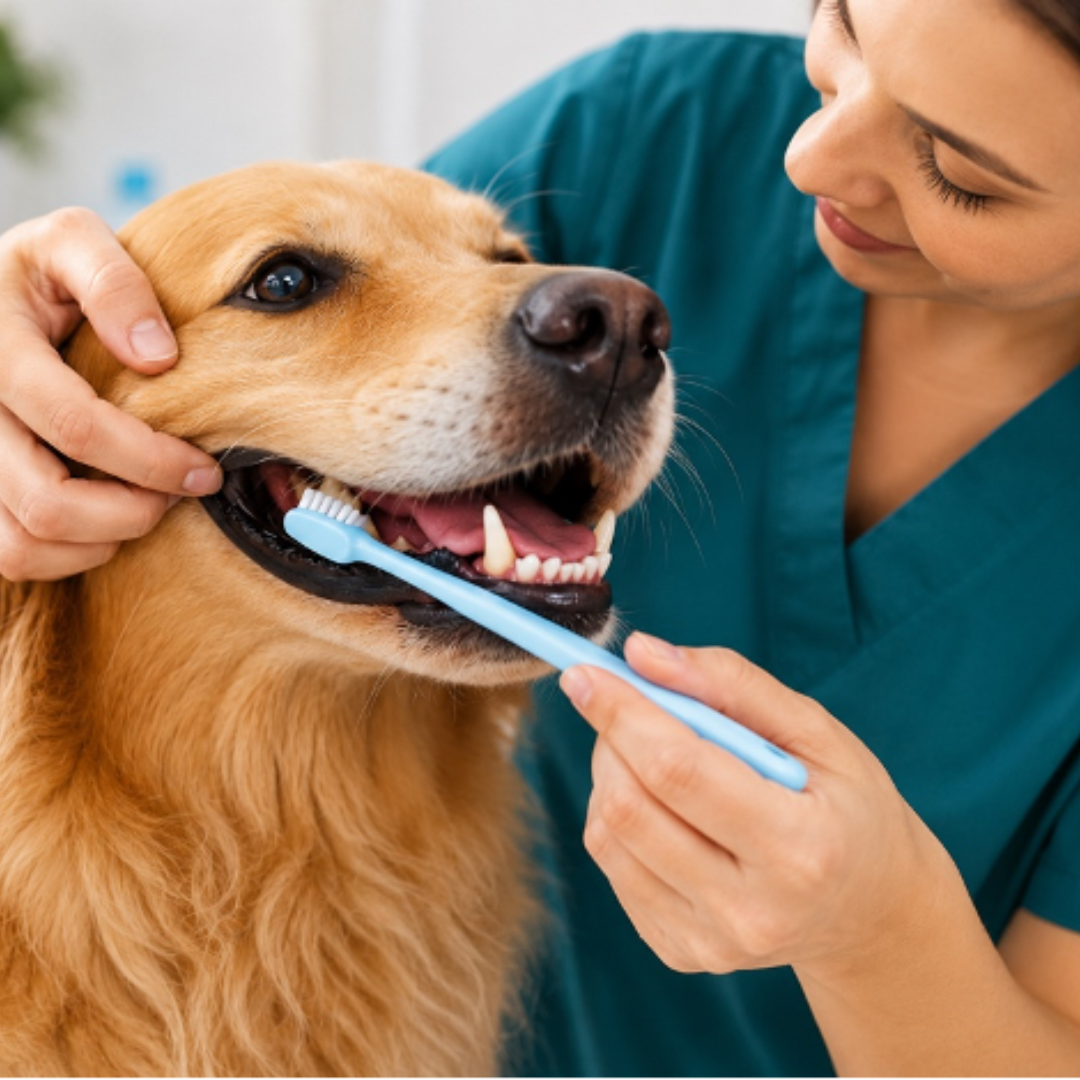
Learn how to keep your dog or cat's teeth healthy with simple dental care tips and preventative advice.