
Making A Difference!
Admin Team
Dr Alex has treated her fair share of Patients since joining the Team at YVV in 2016, but these are some of her more memorable ones. From Bucking Bulls to Little puppies, SHE DOES IT ALL!! And isn't afraid of a "Little" Poop!
I started as a fresh-faced graduate veterinarian with Yass Valley Veterinary in 2016! It’s a bit surreal that I’m already reaching my fourth year with the team. I feel so at home in the Yass Valley because of the variable & always interesting case load, strong community values & clients who allow me the opportunity to assist in keeping their beloved animals healthy & happy.
One of the things I absolutely love is that our team always has a can-do attitude. It was a very hot, dry summer day last year when my nurse Brodie and I were scheduled for pregnancy testing 150 cows on a farm about 30 minutes out of town. When we arrived to, lets say a very basic yard, I then noticed that there were far more than 150 cows in the yards & paddocks behind. I asked the farmer how many we were checking for pregnancy, he then replied with 450!
This was one the first times that Brodie had been with me & experienced the joy of dust, heat & a ridiculous amount of cow poo. We rang the clinic to let them know we’d be a fair while longer & we got stuck in.
On this day, the farmer had several things he had to do including walking cows back to their paddocks, so it was largely a girl-power effort. Brodie was constantly jumping over yard rails to run a few more cows into the forcing yard, pushing them down the race to me, then changing draft gates to keep the empty (not pregnant) cows separate from the ones who were pregnant.
By the end of the day we were EXHAUSTED! But proud of what we’d achieved with mostly just the two of us. Since this day the yards have been vastly improved & far more efficient for such a big job, which is always appreciated. I’ve also learnt to ask who will be there to help on the day.
It wasn’t long after this day that the clinic had received a phone call for a Bucking Bull who had been drooling & very lethargic. I went out to this farm to examine the bull, named Stealth who had evidently hurt himself in a paddock accident & fractured his jaw. Without hesitation, his owner & contractor advised me to do whatever was necessary to fix Stealth.
I then called on the back up of my ever-supportive boss, Stuart. We then wired up his jaw so that it was able to heal. Since the 8 weeks of nursing & pain management by his owner, he has gone on to win a national title & perform at an elite level. He’s one to watch & a real testament to the commitment of his owner.
I’ll always have a real soft spot for cattle but it’s not just large animal stories that I really get a kick out of, even if it’s some un-godly hour in the morning, which is exactly what happened when I received a 4am phone call for a German Shepherd who had been in active labour for far too long & no puppies had been passed.
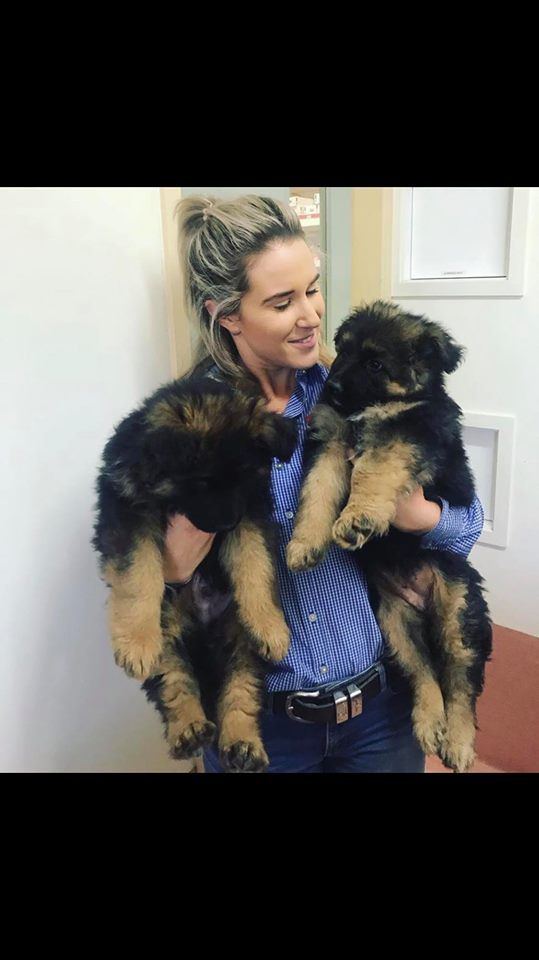
We all came into the clinic & I examined her. I then ultra-sounded the puppies & determined by their low heart rate that they were in foetal distress & needed to be removed via caesarean. After which I made the call to wake up one of wonderful nurses to help me. That very “EARLY” morning, we were privileged to deliver 9 healthy puppies. A few of them went to local homes & from time to time, I see them out on a walk or in the clinic for routine health visits.
I am finding now that I’ve been able to follow a few long-term cases through & really feel that I am making a positive, genuine difference to a family. I love being a part of the Yass Valley Veterinary team & wouldn’t change it.
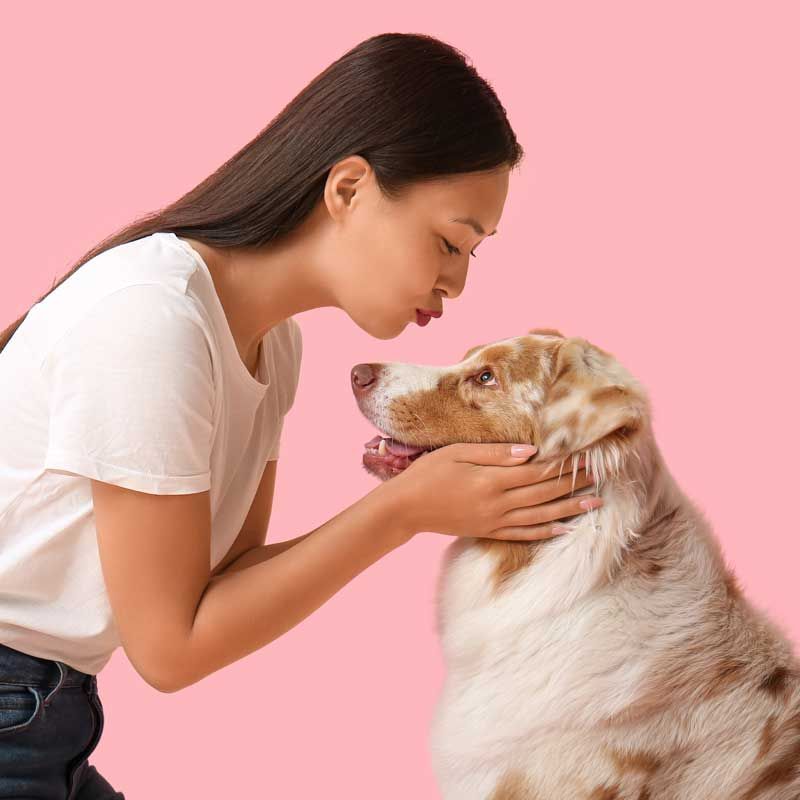
The pet wellness program designed to keep your pets happy and healthy all year round. At Yass Valley Veterinary, we’re excited to introduce Supertails, the pet wellness program designed to make it easier (and more affordable) to keep your pets happy and healthy all year round. What is Supertails? Supertails is a simple monthly membership that gives you unlimited vet consults plus discounts on everyday services and preventative care. It’s all about providing peace of mind, affordability, and the very best care for your furry family members. Why Join Supertails? Unlimited vet consults – no extra cost for those “just in case” visits. Exclusive member discounts on routine services like dental, desexing, and vaccinations. Peace of mind knowing you can prioritise your pet’s health without worrying about the bill. Better preventative care with regular visits that catch issues early. Supertails makes it easier to say “yes” to the care your pet deserves.
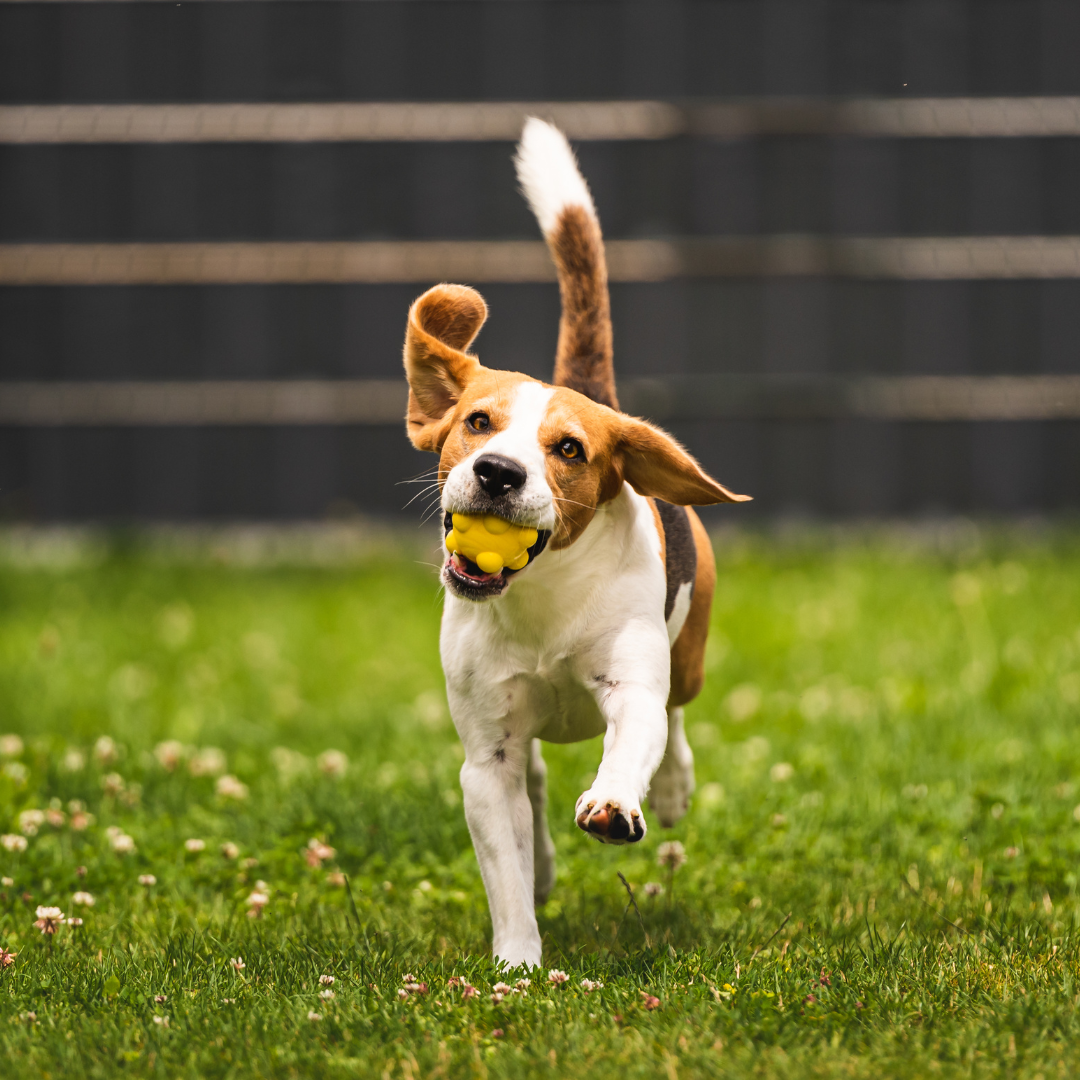
Spring brings longer days and more opportunities to enjoy the outdoors with your pet. While the warmer weather is exciting, it also brings seasonal hazards that can put curious dogs and cats at risk. Across New South Wales, spring means increased snake activity, parasites, blooming plants and seasonal allergens. Knowing what to look out for can help keep your pet safe. At Yass Valley Veterinary , we’re passionate about preventative care and helping pets stay healthy all year round. Why Spring Can Be Risky for Pets Warmer weather encourages pets to spend more time outdoors, but it also creates ideal conditions for seasonal hazards. As temperatures rise, snakes become more active, parasites increase, and gardens fill with plants and products that may be harmful to pets. Even pollen and grasses can trigger allergies in some animals. Protecting your pet during spring can help: Reduce the risk of snake bites Prevent parasite infestations Avoid accidental poisoning Keep skin and ears healthy Enjoy safer outdoor adventures Common Backyard Hazards to Watch For Many spring hazards are easy to overlook until they become a problem. Common risks include: Snakes in long grass, bushland and gardens Ticks, fleas and worms Seasonal allergies caused by pollen and grasses Toxic plants, fertilisers, herbicides and snail baits Grass seeds and other hazards hidden in long grass If you notice your pet becoming unwell after spending time outdoors, contact your veterinarian as soon as possible. How to Keep Your Pet Safe This Spring Simple preventative measures can significantly reduce your pet’s risk. Some easy ways to protect your pet include: Keep parasite prevention up to date. Avoid long grass where snakes may be hiding. Check your pet after walks for ticks, grass seeds or injuries. Keep toxic plants and garden chemicals out of reach. Supervise pets while they’re exploring the backyard. Contact your veterinarian if your pet appears unwell. Even small changes can make a big difference to your pet’s health and safety. When to Seek Veterinary Care Prompt treatment is essential if your pet has been exposed to a seasonal hazard. Seek veterinary care immediately if your pet: May have been bitten by a snake Has eaten a toxic plant or garden chemical Shows signs of weakness or collapse Has difficulty breathing Vomits repeatedly Develops severe swelling or allergic reactions Early treatment often leads to the best possible outcome. Prevention is the Best Protection Many spring emergencies can be prevented with regular health checks and year-round preventative care. During your pet’s annual examination, your veterinarian can recommend the most appropriate parasite prevention, discuss seasonal risks in your area and help you prepare for a safe spring. A little preparation now can help keep your pet happy and healthy throughout the season. FAQs: Hidden Dangers in Your Backyard This Spring Can pets get seasonal allergies? Yes. Pollen and grasses commonly cause itchy skin, ear infections and irritated paws in both dogs and cats. What should I do if I suspect a snake bite? Keep your pet calm and seek emergency veterinary attention immediately. Do not wait for symptoms to develop. How often should I use parasite prevention? Follow your veterinarian’s recommendation based on your pet’s lifestyle and the parasites common in your local area. Are garden products dangerous for pets? Yes. Fertilisers, herbicides and snail baits can all be toxic if ingested, so they should always be stored safely and used according to the manufacturer’s instructions. How can I make my backyard safer this spring? Keep grass short, remove toxic plants where possible, maintain parasite prevention, supervise outdoor play and regularly check your pet after spending time outside. Keep Your Pet Safe This Spring with East Doncaster Vet Hospital Spring is one of the best times of year to get outdoors with your pet, but it’s also important to stay aware of the seasonal hazards that come with warmer weather. Whether you need advice on parasite prevention, seasonal allergies or spring safety, our experienced veterinary team is here to help. Contact Yass Valley Veterinary today to book a health check and help your pet enjoy a safe and healthy spring.
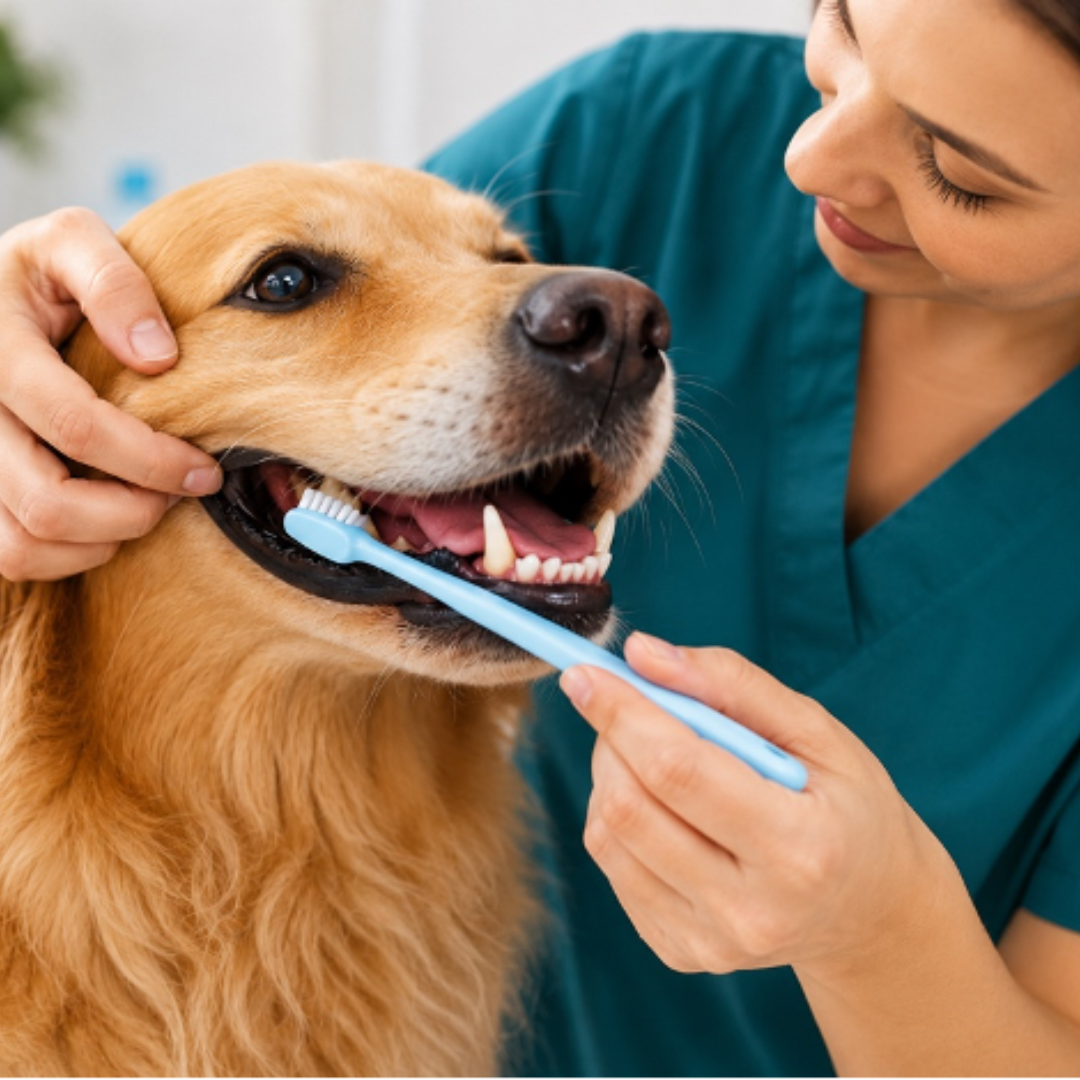
Learn how to keep your dog or cat's teeth healthy with simple dental care tips and preventative advice.
