Pet Dental Health Tips For a Happy, Healthy Smile

Admin Team

We share some essential dental health tips to keep your pet’s smile bright and their health in top shape.
Just like humans, pets need regular dental care to maintain their overall health and well-being. Poor dental hygiene in pets can lead to various issues, including bad breath, tooth decay, gum disease, and even more serious health problems. Here are some essential dental health tips to keep your pet’s smile bright and their health in top shape.

1. Brush their teeth regularly

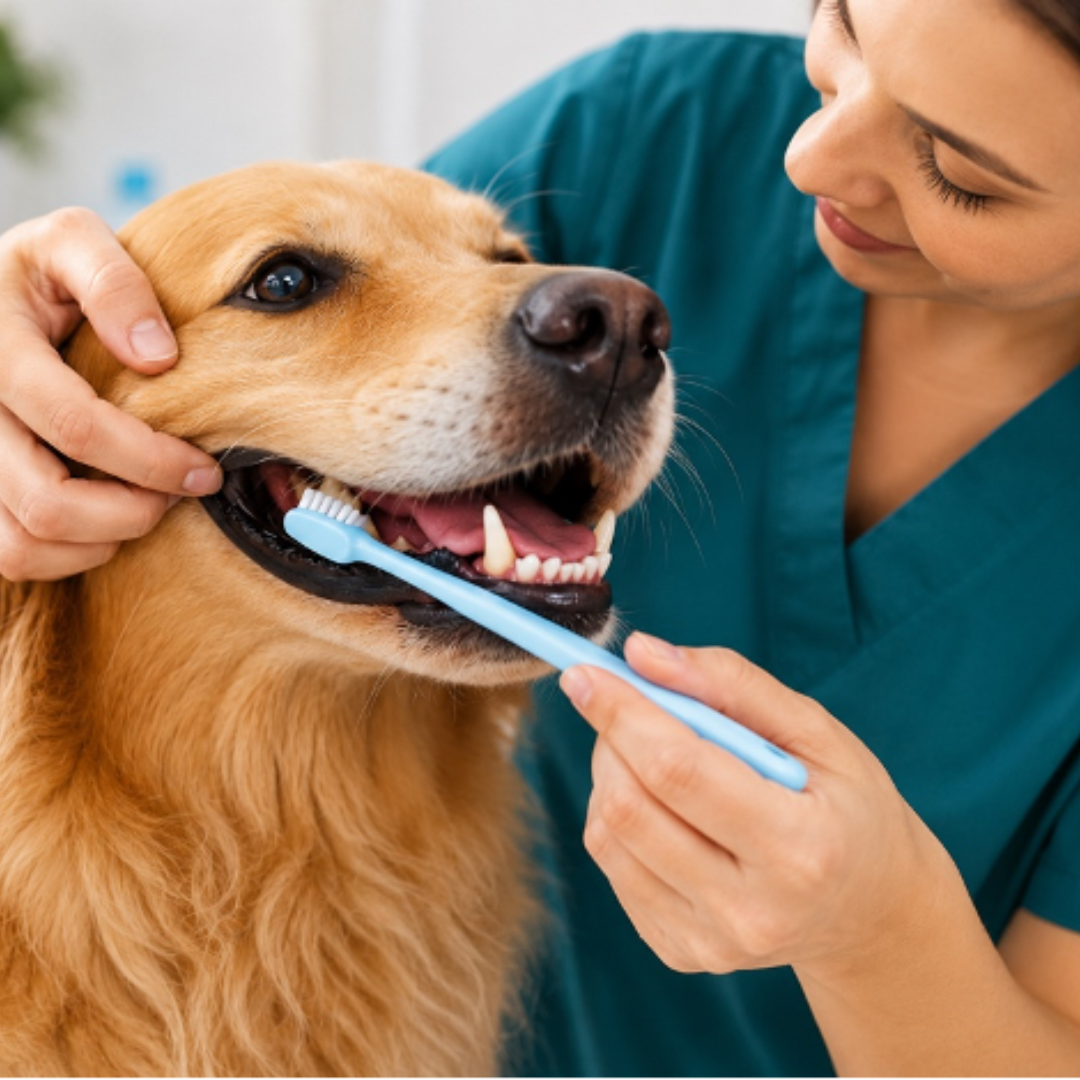
Regular brushing is the cornerstone of dental care for pets. Aim to brush your pet's teeth daily (or at least 3-4 times per week). Use a pet-specific toothbrush and toothpaste, as human products can be harmful to animals. Start slowly, allowing your pet to get used to the process, and gradually build up to a full brushing routine.


2. Offer dental toys & chews

Dental chews and toys are not only great for keeping your pet entertained, but they also help reduce plaque and tartar buildup. Ask your veterinarian about their advice for best products for your pet’s dental health, as these are made to clean teeth and massage gums effectively. Always supervise your pet while they’re chewing to prevent any choking hazards.


3. Schedule regular professional cleanings

Even with regular brushing at home, professional cleanings by a veterinarian are essential. During these cleanings, your vet will remove tartar, which cannot be removed by simply brushing or chewing, and check for any signs of dental disease. Depending on your pet’s dental health, these cleanings may be needed once or twice a year.


4. Monitor their diet

Diet plays a significant role in maintaining your pet’s dental health. Feed your pet a balanced diet and consider incorporating specially formulated dental diets or treats that are designed to reduce plaque and tartar. Avoid giving your pet table scraps or sugary treats, as these can contribute to dental problems.


5. Look for signs of dental problems

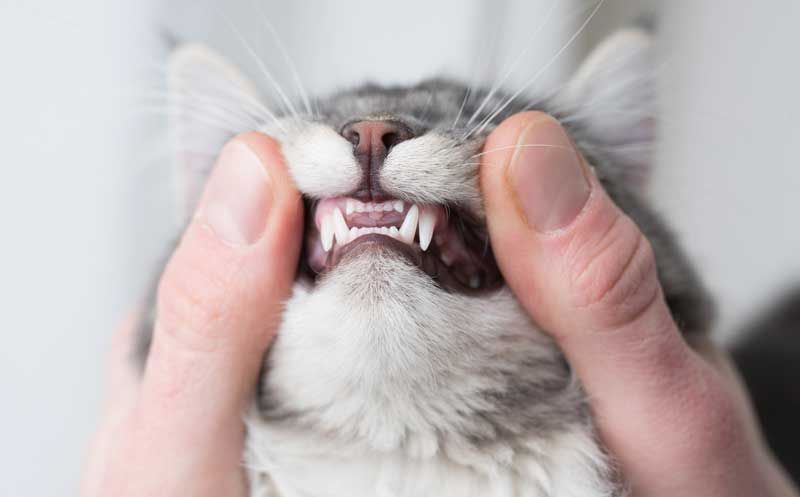
Be vigilant for any signs of dental issues in your pet. Symptoms such as bad breath, difficulty eating, drooling, red or swollen gums, and loose or missing teeth could indicate dental disease. If you notice any of these signs, schedule a vet appointment as soon as possible.


6. Start dental care early

It’s never too early to start a dental care routine with your pet. Begin introducing dental care practices while they are young, so they become accustomed to having their teeth brushed and their mouth examined. This early start can help prevent dental problems later in life.

Maintaining your pet’s dental health is crucial for their overall well-being. By incorporating these tips into your routine, you can help ensure your pet has a healthy mouth, reducing the risk of dental disease and keeping them happy and comfortable. Remember, a healthy smile leads to a healthy pet!

If you have any concerns about your pet’s dental health or need professional cleaning, don’t hesitate to contact us at Yass Valley Veterinary. We’re here to help your furry friend stay healthy from tooth to tail!


Dog playing with a puzzle feeder at home while owner is at work.
By Admin Team January 20, 2026
Back to work after the holidays? Learn simple ways to keep your pet entertained, relaxed, and mentally stimulated while you’re out. Expert tips from Yass Valley Veterinary.
Dog and cat snuggled up sleeping with red crochet heart
By Admin Team January 20, 2026
Why pet heart health matters and the early signs of heart disease in dogs and cats. Learn how routine checks can help protect your pet’s heart.
A puppy is sitting in the grass with its mouth open
By Admin Team November 18, 2025
Welcoming a new furry family member is an exciting time for the whole family. Whether it’s a playful puppy, a curious kitten, or another small companion, January is the perfect time to focus on establishing routines and ensuring your pet’s health and happiness. If you’re a new pet owner, these tips will help you create a loving and safe environment for your newest family member. Schedule a Veterinary Check-Up Even if your new pet has received vaccinations, a full veterinary check-up is essential. Our team can: · Confirm vaccinations and schedule future ones · Conduct health screenings for common conditions · Provide advice on diet, exercise, and preventive care Booking a vet visit early ensures your pet starts the year healthy and prevents potential health issues down the line. Create a Safe and Comfortable Space New pets need time to adjust to their new home. Set up a quiet, cozy area where your pet can feel safe. Include: · A soft bed or crate · Toys and chew items · Food and water bowls in an accessible location This dedicated space helps your pet settle in and reduces anxiety during the first few weeks. Establish a Consistent Routine Pets thrive on routine. Try to: · Feed at the same times each day · Schedule regular walks or play sessions · Set consistent potty-training schedules for puppies or kittens A consistent routine helps your pet feel secure and promotes good behaviour. Invest in Proper Nutrition High-quality, species-appropriate food is vital for your pet’s growth and wellbeing. Consult your vet about: · The right type of food for age, breed, and size · Portion sizes and feeding frequency · Supplements or special dietary needs, if necessary Proper nutrition sets the foundation for a long and healthy life. Socialise and Train Early Early socialisation is key to raising a well-adjusted pet. Introduce your pet gradually to: · Other people and pets · Different environments, sounds, and experiences Training, even basic commands, should start early. Positive reinforcement techniques work best for teaching good habits. Grooming and Hygiene Regular grooming keeps your pet comfortable and healthy. Depending on your pet, you may need to: · Brush their coat regularly · Trim nails and clean ears · Bathe when necessary Our friendly team can advise on a grooming routine suited to your pet’s breed and needs. Monitor Health and Behaviour New pets may hide signs of stress or illness. Keep an eye out for: · Changes in appetite or water intake · Lethargy or unusual behaviour · Signs of discomfort or pain Early detection of health issues allows for prompt treatment and prevents complications. Enjoy this exciting time! Welcoming a new pet into your home is an exciting and joyful experience. By scheduling veterinary visits, establishing routines, providing proper nutrition, and offering love and attention, you’ll set your new pet up for a healthy, happy life. Remember, every pet is unique, so consulting your veterinarian regularly ensures your furry friend thrives in the year ahead. If you’ve recently welcomed a new pet into your home, book a check-up with our veterinary team today! We’re here to provide expert advice, vaccinations, and care to help your furry family member start the year off right.