Spring into Good Health: Top Pet Health Tips for the Season
Admin Team

As the flowers bloom and the days grow warmer, spring is a great time to refresh your pet’s health routine. But with all the sunshine and outdoor fun comes a few seasonal challenges. From pesky parasites to allergies and shedding fur, here are some essential spring pet health tips to help your furry friend thrive.


1. Watch Out for Seasonal Allergies

Just like us, pets can suffer from spring allergies. Pollen, grass, and even mould can cause itchy skin, red eyes, sneezing, or excessive licking and chewing.


Signs your pet may have allergies include:

  • Scratching or biting at skin
  • Hair loss or hot spots
  • Runny eyes or nose
  • Paw chewing or licking

If your pet is showing any of these signs, book a check-up. We can help identify the cause and recommend safe, effective treatments.


2. Stay Ahead of Fleas & Ticks

Warmer weather brings fleas, ticks, and other parasites out in full force. These pests aren’t just annoying—they can cause allergic reactions, transmit disease, and lead to more serious problems like tapeworms or tick-borne illnesses.


Be proactive:

  • Keep your pet up to date on flea, tick, and worming treatments
  • Check your pet’s coat regularly, especially after walks
  • Treat your home and garden if needed

Talk to us about the best prevention options for your pet’s lifestyle.


3. Revisit Nutrition & Weight Management

With more opportunities for exercise and outdoor play, spring is a great time to reassess your pet’s diet and fitness routine. Overweight pets are more prone to joint issues, heart disease, and diabetes.


Spring health check-up tips:

  • Make sure your pet is on the right diet for their age and activity level
  • Measure portions carefully and avoid overfeeding
  • Add in daily walks, games, or puzzle toys for mental and physical stimulation

Not sure what your pet's ideal weight should be? We’re here to help with tailored diet plans and weight checks.


4. Book in a Spring Grooming Session

Spring is the perfect season for a fresh start. Regular grooming keeps your pet comfortable, reduces matting, and allows you to spot any lumps, bumps, or skin issues early.


Spring grooming essentials:

  • A good brush-out to remove winter coat buildup
  • Nail trims to avoid discomfort or injury
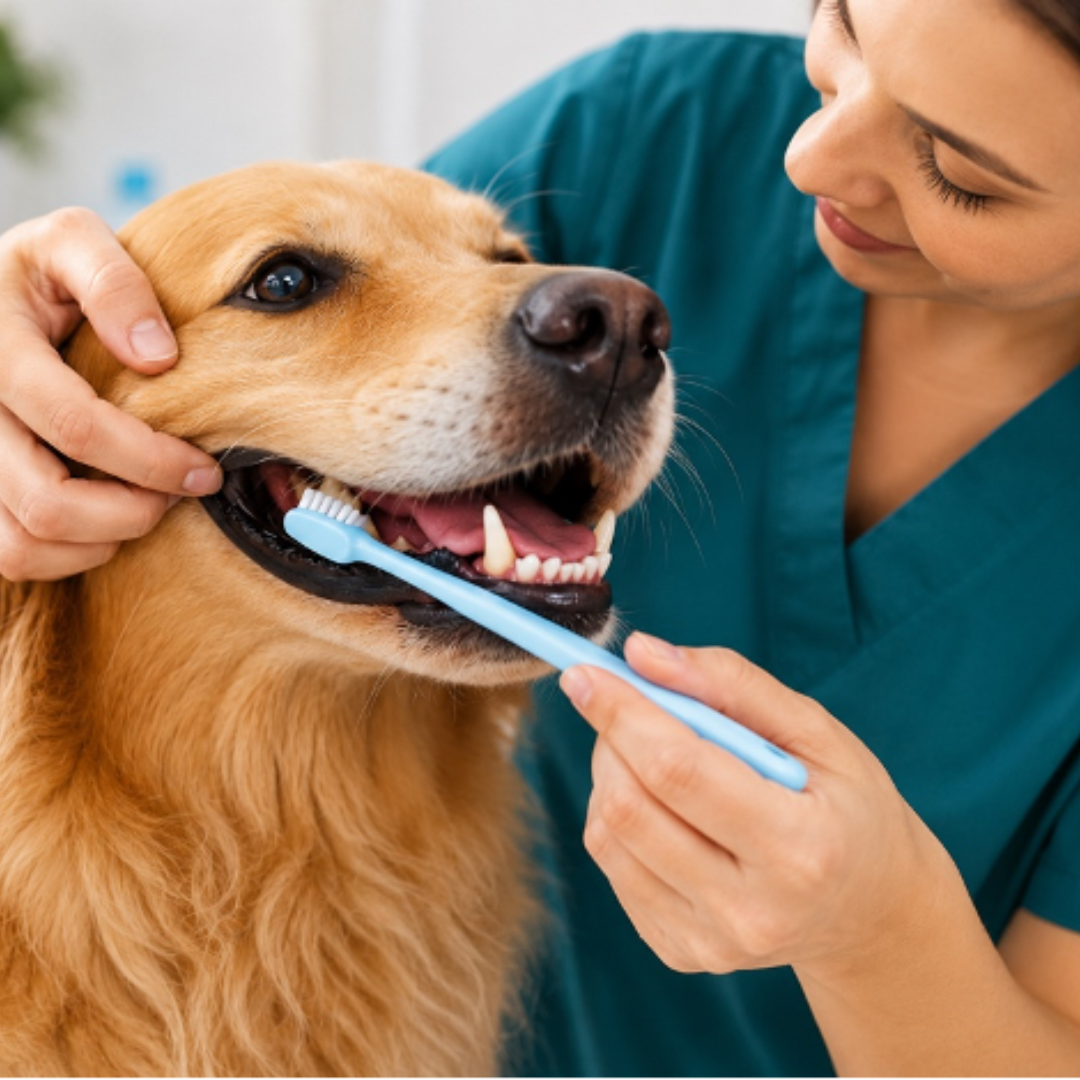
  • Ear cleaning to prevent infections
  • Trimming fur around paws and sanitary areas

Many pets also benefit from a professional groom—especially breeds with thick or long coats.


5. Vaccinations and Preventive Care

Spring often means more time outdoors, which increases exposure to other animals and potential diseases. It’s a good time to make sure your pet is up to date with their vaccinations and 6 monthly health checks.


Include:

  • Reminder about core and lifestyle vaccines (like kennel cough or leptospirosis for dogs)
  • Heartworm testing and prevention
  • Routine bloodwork or senior health screens


Ready to Spring into Action?


Spring is the season of renewal—and your pet deserves to feel their best. Whether it's time for a check-up, grooming appointment, or a chat about nutrition and parasite prevention, our team is here to support you every step of the way.


Book your pet’s spring health check today!


Dog playing with a puzzle feeder at home while owner is at work.
By Admin Team January 20, 2026
Back to work after the holidays? Learn simple ways to keep your pet entertained, relaxed, and mentally stimulated while you’re out. Expert tips from Yass Valley Veterinary.
Dog and cat snuggled up sleeping with red crochet heart
By Admin Team January 20, 2026
Why pet heart health matters and the early signs of heart disease in dogs and cats. Learn how routine checks can help protect your pet’s heart.
A puppy is sitting in the grass with its mouth open
By Admin Team November 18, 2025
Welcoming a new furry family member is an exciting time for the whole family. Whether it’s a playful puppy, a curious kitten, or another small companion, January is the perfect time to focus on establishing routines and ensuring your pet’s health and happiness. If you’re a new pet owner, these tips will help you create a loving and safe environment for your newest family member. Schedule a Veterinary Check-Up Even if your new pet has received vaccinations, a full veterinary check-up is essential. Our team can: · Confirm vaccinations and schedule future ones · Conduct health screenings for common conditions · Provide advice on diet, exercise, and preventive care Booking a vet visit early ensures your pet starts the year healthy and prevents potential health issues down the line. Create a Safe and Comfortable Space New pets need time to adjust to their new home. Set up a quiet, cozy area where your pet can feel safe. Include: · A soft bed or crate · Toys and chew items · Food and water bowls in an accessible location This dedicated space helps your pet settle in and reduces anxiety during the first few weeks. Establish a Consistent Routine Pets thrive on routine. Try to: · Feed at the same times each day · Schedule regular walks or play sessions · Set consistent potty-training schedules for puppies or kittens A consistent routine helps your pet feel secure and promotes good behaviour. Invest in Proper Nutrition High-quality, species-appropriate food is vital for your pet’s growth and wellbeing. Consult your vet about: · The right type of food for age, breed, and size · Portion sizes and feeding frequency · Supplements or special dietary needs, if necessary Proper nutrition sets the foundation for a long and healthy life. Socialise and Train Early Early socialisation is key to raising a well-adjusted pet. Introduce your pet gradually to: · Other people and pets · Different environments, sounds, and experiences Training, even basic commands, should start early. Positive reinforcement techniques work best for teaching good habits. Grooming and Hygiene Regular grooming keeps your pet comfortable and healthy. Depending on your pet, you may need to: · Brush their coat regularly · Trim nails and clean ears · Bathe when necessary Our friendly team can advise on a grooming routine suited to your pet’s breed and needs. Monitor Health and Behaviour New pets may hide signs of stress or illness. Keep an eye out for: · Changes in appetite or water intake · Lethargy or unusual behaviour · Signs of discomfort or pain Early detection of health issues allows for prompt treatment and prevents complications. Enjoy this exciting time! Welcoming a new pet into your home is an exciting and joyful experience. By scheduling veterinary visits, establishing routines, providing proper nutrition, and offering love and attention, you’ll set your new pet up for a healthy, happy life. Remember, every pet is unique, so consulting your veterinarian regularly ensures your furry friend thrives in the year ahead. If you’ve recently welcomed a new pet into your home, book a check-up with our veterinary team today! We’re here to provide expert advice, vaccinations, and care to help your furry family member start the year off right.