
Tips for New Pet Owners: Starting the Year Off Right with Your Furry Friend

Admin Team
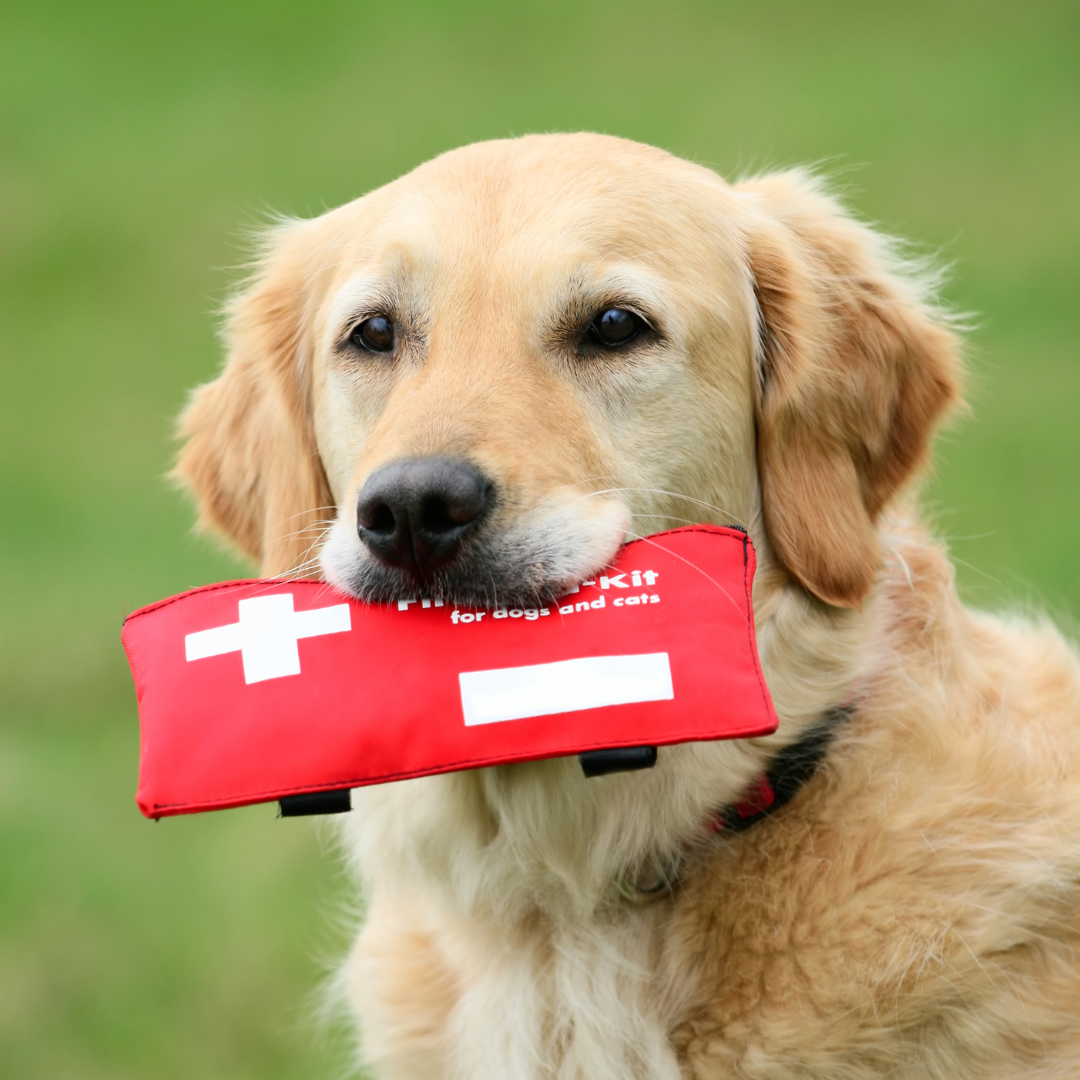
A puppy is sitting in the grass with its mouth open

Welcoming a new furry family member is an exciting time for the whole family. Whether it’s a playful puppy, a curious kitten, or another small companion, January is the perfect time to focus on establishing routines and ensuring your pet’s health and happiness. If you’re a new pet owner, these tips will help you create a loving and safe environment for your newest family member.

Schedule a Veterinary Check-Up

Even if your new pet has received vaccinations, a full veterinary check-up is essential. Our team can:

·     Confirm vaccinations and schedule future ones

·     Conduct health screenings for common conditions

·     Provide advice on diet, exercise, and preventive care

Booking a vet visit early ensures your pet starts the year healthy and prevents potential health issues down the line.


Create a Safe and Comfortable Space

New pets need time to adjust to their new home. Set up a quiet, cozy area where your pet can feel safe. Include:

·     A soft bed or crate

·     Toys and chew items

·     Food and water bowls in an accessible location

This dedicated space helps your pet settle in and reduces anxiety during the first few weeks.


Establish a Consistent Routine

Pets thrive on routine. Try to:

·     Feed at the same times each day

·     Schedule regular walks or play sessions

·     Set consistent potty-training schedules for puppies or kittens

A consistent routine helps your pet feel secure and promotes good behaviour.


Invest in Proper Nutrition

High-quality, species-appropriate food is vital for your pet’s growth and wellbeing. Consult your vet about:

·     The right type of food for age, breed, and size

·     Portion sizes and feeding frequency

·     Supplements or special dietary needs, if necessary

Proper nutrition sets the foundation for a long and healthy life.


Socialise and Train Early

Early socialisation is key to raising a well-adjusted pet. Introduce your pet gradually to:

·     Other people and pets

·     Different environments, sounds, and experiences

Training, even basic commands, should start early. Positive reinforcement techniques work best for teaching good habits.


Grooming and Hygiene

Regular grooming keeps your pet comfortable and healthy. Depending on your pet, you may need to:

·     Brush their coat regularly

·     Trim nails and clean ears

·     Bathe when necessary

Our friendly team can advise on a grooming routine suited to your pet’s breed and needs.


Monitor Health and Behaviour

New pets may hide signs of stress or illness. Keep an eye out for:

·     Changes in appetite or water intake

·     Lethargy or unusual behaviour

·     Signs of discomfort or pain

Early detection of health issues allows for prompt treatment and prevents complications.


Enjoy this exciting time!

Welcoming a new pet into your home is an exciting and joyful experience. By scheduling veterinary visits, establishing routines, providing proper nutrition, and offering love and attention, you’ll set your new pet up for a healthy, happy life. Remember, every pet is unique, so consulting your veterinarian regularly ensures your furry friend thrives in the year ahead.


If you’ve recently welcomed a new pet into your home,
book a check-up with our veterinary team today! We’re here to provide expert advice, vaccinations, and care to help your furry family member start the year off right.


By Admin Team • September 30, 2026
Is your dog or cat easily spooked? Learn how to recognise signs of anxiety in pets, common triggers, and ways to help your pet feel calmer and more secure.
By Admin Team • September 30, 2026
Knowing what to do when your pet is injured or becomes unwell can make a stressful situation feel a little more manageable. While first aid is never a substitute for veterinary treatment, knowing the basics can help you keep your pet safe while you arrange professional care. From bleeding and injuries to seizures, heat stress and toxin ingestion, understanding what to do and what not to do can be invaluable in an emergency. At Yass Valley Veterinary , we’re here to help you understand when your pet needs immediate veterinary attention and how you can provide safe first aid while getting them to the clinic. What to Do in a Pet Emergency The first priority in any emergency is to stay calm and assess the situation. If it is safe to do so: Move slowly and calmly. Keep the environment quiet. Minimise handling. Use a towel or blanket as a barrier if you need to protect yourself. Keep your hands away from your pet’s mouth. Transport your pet to a veterinary clinic as soon as it is safe to do so. Remember: if you’re unsure, treat the situation as an emergency and contact your vet. Check Your Pet’s ABCs In a serious emergency, start by checking your pet’s: Airway: Can air get in? Breathing: Is air moving? Circulation: Is blood flowing? If your pet is having difficulty breathing, has collapsed, is unresponsive, or has pale, white or blue gums, they need immediate veterinary attention. What to Do for Common Pet Emergencies Different emergencies require different first aid responses. Here are some serious situations to be aware of. Wounds and Bleeding If your pet is bleeding: Stay calm. Gently clean the wound with water or saline if appropriate. Apply firm, constant pressure using a clean towel, pad or bandage. Secure the dressing if possible. Seek veterinary treatment. Avoid repeatedly removing the bandage to check the wound, as this can disturb the clot and cause bleeding to start again. If bleeding is severe or uncontrollable, seek emergency veterinary care immediately. Hit by a Car or Other Trauma A pet involved in a road accident or other significant trauma should be assessed by a veterinarian, even if they appear to be okay. First, make sure the scene is safe. Check their ABCs and, if there is bleeding, apply firm, constant pressure. If you need to move your pet, use a blanket or flat surface to support their whole body. Keep their body as straight as possible and support the spine. Do not twist or bend their body, and don’t assume they are okay simply because they appear calm or are able to walk. Transport them to a veterinary clinic immediately. Seizures If your pet has a seizure: Move nearby objects away to help prevent injury. Keep the environment quiet. Time the seizure if you can. Keep your hands away from their mouth. Do not try to restrain them. Once the seizure has stopped, keep your pet calm and arrange veterinary assessment. An active seizure is considered an emergency and requires immediate veterinary attention. Heat Stress and Heatstroke Heat stress can become life-threatening quickly, particularly in hot weather. If your pet is showing signs of heat stress: Move them into shade or indoors. Turn on fans or air conditioning. Get them off hot surfaces such as bitumen or sand. Wet their body with cool water. Keep them calm and limit stimulation. Transport them to a veterinarian. Never leave a pet in a hot car, even for a short period, and don’t wait to see whether they improve before seeking veterinary care. Suspected Toxin Ingestion If you think your pet has eaten or been exposed to something potentially toxic, act quickly. If it is safe: Remove any remaining toxin from their mouth. Identify what they have been exposed to. Bring the packaging or take a photo of the product if possible. Estimate how much they may have consumed (even an approximate amount can be useful). Wear gloves if necessary. Transport your pet to a veterinary clinic immediately. Do not make your pet vomit at home unless specifically instructed to do so by a veterinary professional, and don’t wait for symptoms to appear. When Should I Take My Pet to the Vet? Knowing how urgent your pet’s condition is can be difficult. As a general rule, if you’re unsure, it’s safest to seek veterinary advice. Go to the Vet Immediately Seek emergency veterinary care if your pet has: Difficulty breathing Collapsed or is unresponsive An active seizure Pale, white or blue gums Severe or uncontrollable bleeding Been hit by a car or experienced significant trauma Rapid abdominal swelling or suspected bloat A suspected snake bite or toxin ingestion Signs of paralysis or suspected paralysis tick Extreme heat or cold exposure Seek Veterinary Treatment as Soon as Possible Your pet should also be assessed promptly for: Weakness or altered consciousness Pale gums Severe pain Toxin ingestion Difficulty or inability to urinate Severe dehydration Generalised weakness Persistent vomiting Wounds Neurological signs Even seemingly minor symptoms can sometimes indicate an underlying problem, so if you’re concerned about your pet, contact your veterinary team. How to Safely Handle an Injured or Frightened Pet An injured or frightened pet may behave differently from normal, even if they are usually friendly. Pain and fear can cause pets to bite or scratch. Approach slowly and calmly and speak softly to help reassure them. Avoid direct face-to-face contact and watch for warning signs such as growling, a stiff body or wide eyes. A towel, blanket or jacket can be used as a barrier to help protect you while handling your pet. Keep your face away from their head and avoid putting your hands near their mouth. If it is safe to do so, temporary restraint may help. For dogs, a towel or lead can be used as a makeshift muzzle, but never muzzle a dog if their breathing is compromised or they are vomiting . Cats can be gently wrapped in a towel to help minimise movement. Only move your pet when necessary, such as if they are in immediate danger. If you do need to move them, support their whole body, particularly the spine and limbs. What to Include in a Pet First Aid Kit Having a pet first aid kit at home and when travelling can help you respond quickly to minor injuries while arranging veterinary care. Consider including: Towels Two leashes Pillowcase Sanitary pad or nappy Bandage or pet first aid kit Scissors Bottle of water Plastic bags Gloves Notepad and pen Cling wrap (optional) Keep your first aid supplies somewhere easy to access so you aren’t searching for them during an emergency. Remember: First Aid Isn’t a Substitute for Veterinary Care Pet first aid is about keeping your pet safe and providing basic support while you arrange professional treatment. It shouldn’t delay a veterinary assessment when your pet is seriously injured or unwell. In an emergency, fast is good, but calm is better . Simple actions can make a difference, but getting your pet to a veterinarian as soon as it is safe to do so is the priority. FAQs: Pet First Aid 1. What should I do if my pet is injured? Stay calm, minimise handling and assess their airway, breathing and circulation. If there is bleeding, apply firm, constant pressure with a clean towel, pad or bandage. Seek veterinary treatment as soon as possible. 2. Should I make my dog vomit if they eat something toxic? No. Do not make your pet vomit at home unless specifically instructed by a veterinary professional. Identify what they have ingested, bring the packaging or a photo if possible, and seek veterinary care immediately. 3. What should I do if my pet has a seizure? Move objects away to prevent injury, keep the environment quiet and time the seizure if possible. Don’t restrain your pet or put your hands near their mouth. An active seizure requires immediate veterinary attention. 4. What are the signs of a pet emergency? Difficulty breathing, collapse, an active seizure, pale or blue gums, severe bleeding, significant trauma, rapid abdominal swelling, suspected toxin ingestion, suspected snake bite, paralysis and extreme temperatures are all reasons to seek immediate veterinary care. 5. Should I have a pet first aid kit at home? Yes. Keeping basic supplies such as towels, bandages, gloves, scissors and water readily available can help you respond to minor injuries and emergencies while arranging veterinary care. Be Prepared for a Pet Emergency You can’t always prevent an accident or illness, but being prepared can help you respond calmly when your pet needs you most. Save your veterinary clinic’s phone number, keep a pet first aid kit accessible and familiarise yourself with the signs that require immediate veterinary attention. If you’re ever unsure about your pet’s health or an injury, contact Yass Valley Veterinary for advice or seek veterinary care. 📞 Call us today to speak with our veterinary team about your pet’s health and wellbeing.
By Admin Team • August 4, 2026
The pet wellness program designed to keep your pets happy and healthy all year round. At Yass Valley Veterinary, we’re excited to introduce Supertails, the pet wellness program designed to make it easier (and more affordable) to keep your pets happy and healthy all year round. What is Supertails? Supertails is a simple monthly membership that gives you unlimited vet consults plus discounts on everyday services and preventative care. It’s all about providing peace of mind, affordability, and the very best care for your furry family members. Why Join Supertails? Unlimited vet consults – no extra cost for those “just in case” visits. Exclusive member discounts on routine services like dental, desexing, and vaccinations. Peace of mind knowing you can prioritise your pet’s health without worrying about the bill. Better preventative care with regular visits that catch issues early. Supertails makes it easier to say “yes” to the care your pet deserves.