6 Ways to Keep Your Pet Entertained While You’re at Work
Admin Team
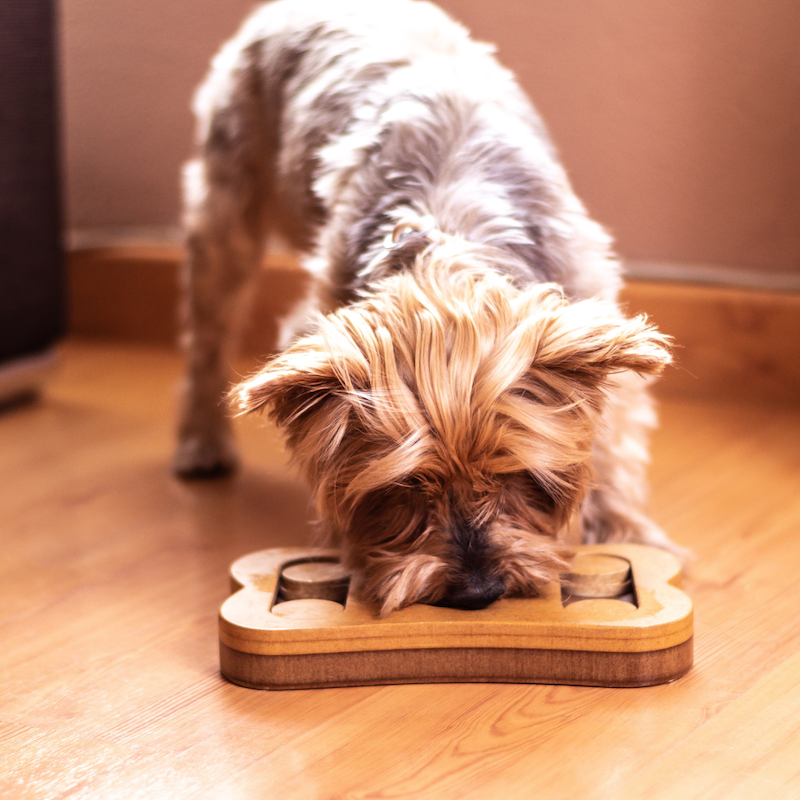
Dog playing with a puzzle feeder at home while owner is at work.

After the Christmas and New Year break, many pets have grown used to having their humans home more often. Now that routines are shifting again and workdays are back in full swing, some pets may struggle with boredom, restlessness, or mild separation stress.


The good news is that a few simple changes can make a big difference. Keeping your pet mentally and physically stimulated while you’re away helps reduce anxiety, prevent unwanted behaviours and support overall wellbeing.

Here are our top tips to keep your pet happy and entertained during the workday.


Puzzle Feeders and Treat Toys

Keeping your pet’s brain busy is just as important as physical exercise.

Puzzle feeders, slow feeders, and treat dispensing toys encourage natural foraging behaviours and problem solving. These activities help relieve boredom, slow down fast eaters and provide mental stimulation while you are out.


Try rotating different puzzle toys throughout the week to keep things interesting and rewarding.


Window Watching Entertainment

Sometimes the simplest enrichment comes from the outside world.


Setting up a comfy perch or bed near a window gives pets a front row seat to birds, people, cars and neighbourhood activity. This is especially enriching for cats, but many dogs also enjoy watching the world go by.


Make sure the area is safe, shaded and comfortable for longer viewing sessions.


Rotate Toys to Keep Them Fresh

If all toys are available all the time, they quickly lose their novelty.


Pack some toys away and rotate them every few days. When an old toy reappears, it feels brand new again. This keeps your pet engaged without needing to constantly buy new items.


Include a mix of soft toys, chew toys, and interactive options to suit your pet’s preferences.


Use Background Noise for Comfort

A quiet house can feel unsettling for some pets, especially after weeks of company.


Leaving the TV or radio on at a low volume can help mask outside noises and make the home feel less empty. Some pets find gentle background sound calming, and it may help them settle more easily while alone.


Choose calm programming or music rather than loud or sudden noises.


Prioritise Morning Exercise

A tired pet is often a relaxed pet.


A walk, play session, or short training routine before work helps burn off excess energy and supports better rest during the day. Even 15 to 30 minutes of focused activity can make a noticeable difference.


Mental exercise such as training or scent games can be just as effective as physical activity.


Routine and Comfort Matter

Pets thrive on predictability.


Keeping a consistent morning routine, familiar feeding times and comfortable resting areas helps your pet feel secure. Cosy beds, favourite blankets and access to familiar spaces can make alone time feel safe and stress free.


If your pet struggles with routine changes, gradual adjustments can help ease the transition back to workdays.


Signs Your Pet May Be Bored or Stressed

Some pets show subtle signs when they are not coping well with time alone, including:

• Destructive behaviour
• Excessive vocalising
• Changes in appetite
• Restlessness or pacing
• Over excitement when you return home


If these behaviours persist, it may be time to review enrichment, exercise levels, or seek advice from your vet.


We’re Here to Help

At Yass Valley Veterinary, we understand that modern life can be busy. Supporting your pet’s mental health is just as important as their physical care.


If you are concerned about boredom, anxiety, or behaviour changes while you’re at work, our team is happy to offer personalised advice and enrichment recommendations.


Busy humans and happy pets can absolutely go hand in hand with the right routine and support.



By Admin Team February 17, 2026
Sadly, we have had some staff changes recently at Yass Valley Veterinary. After 3 years, Dr Issy Card has taken a small animal position in Canberra. Our recently married Dr Anne Cusack is relocating to Wagga for her husband’s work, and Dr Natalie Flew is also leaving us to work in an emergency afterhours clinic in Canberra with more suitable hours for her new family. We will all miss these three amiable, dedicated and competent veterinarians and wish them well in their future pursuits. Dr Stuart Williams, after almost 33 years at Yass Valley Veterinary (15 years as a partner with Dr Peter Gibbs and 15 years as sole principal), is resigning from his full-time position at the end of February. He is looking forward to having a break away from afterhours on call and managing a large staff across two hospitals. Working as a volunteer veterinarian in Australia and overseas, travelling with his wife Cath and spending some much needed time at home and in the garden, is on the agenda for Stuart in the short term. Dr Tamara Butler, who has been with the business for 17 years, will be promoted to the Lead Vet role when Stuart resigns. Dr Nicole McKenzie will take on the Tamara’s Veterinary Manager role, while Ms Carrie Luckie will retain the Practice Manager role. We are incredibly grateful for the dedication and care that each of our departing veterinarians has given to our clients and patients, and their departures will mean a temporary change to our service availability. Be assured that we are actively and enthusiastically recruiting veterinarians to join our team. We’d like to introduce Dr Josh Tannen, a small animal veterinarian & surgeon, who will be with us until April. This experienced and easy-going locum will be very welcome by the team. However, in the short term, we will be operating with a smaller team, so there may be occasions where we are unable to provide the full range of services that are currently provided. What does this mean for you? • At times, we may need to rotate Saturday clinic closures. • There will be evenings or weekends when we do not have an after-hours veterinarian available. We will always do our best to keep you informed. Any changes to opening hours or services will be communicated via our social media pages and through notifications on the Yass Vet App. As always, if you require after-hours assistance when a veterinarian is not available, please call us on 6226 4444. Your call will be answered by a team of qualified nurses who will triage your situation and direct you to the closest appropriate emergency hospital if needed. We truly appreciate your understanding, patience, and ongoing support during this period of transition. Our commitment to providing compassionate, high-quality care for your animals remains at the heart of everything we do.
Dog and cat snuggled up sleeping with red crochet heart
By Admin Team January 20, 2026
Why pet heart health matters and the early signs of heart disease in dogs and cats. Learn how routine checks can help protect your pet’s heart.
A puppy is sitting in the grass with its mouth open
By Admin Team November 18, 2025
Welcoming a new furry family member is an exciting time for the whole family. Whether it’s a playful puppy, a curious kitten, or another small companion, January is the perfect time to focus on establishing routines and ensuring your pet’s health and happiness. If you’re a new pet owner, these tips will help you create a loving and safe environment for your newest family member. Schedule a Veterinary Check-Up Even if your new pet has received vaccinations, a full veterinary check-up is essential. Our team can: · Confirm vaccinations and schedule future ones · Conduct health screenings for common conditions · Provide advice on diet, exercise, and preventive care Booking a vet visit early ensures your pet starts the year healthy and prevents potential health issues down the line. Create a Safe and Comfortable Space New pets need time to adjust to their new home. Set up a quiet, cozy area where your pet can feel safe. Include: · A soft bed or crate · Toys and chew items · Food and water bowls in an accessible location This dedicated space helps your pet settle in and reduces anxiety during the first few weeks. Establish a Consistent Routine Pets thrive on routine. Try to: · Feed at the same times each day · Schedule regular walks or play sessions · Set consistent potty-training schedules for puppies or kittens A consistent routine helps your pet feel secure and promotes good behaviour. Invest in Proper Nutrition High-quality, species-appropriate food is vital for your pet’s growth and wellbeing. Consult your vet about: · The right type of food for age, breed, and size · Portion sizes and feeding frequency · Supplements or special dietary needs, if necessary Proper nutrition sets the foundation for a long and healthy life. Socialise and Train Early Early socialisation is key to raising a well-adjusted pet. Introduce your pet gradually to: · Other people and pets · Different environments, sounds, and experiences Training, even basic commands, should start early. Positive reinforcement techniques work best for teaching good habits. Grooming and Hygiene Regular grooming keeps your pet comfortable and healthy. Depending on your pet, you may need to: · Brush their coat regularly · Trim nails and clean ears · Bathe when necessary Our friendly team can advise on a grooming routine suited to your pet’s breed and needs. Monitor Health and Behaviour New pets may hide signs of stress or illness. Keep an eye out for: · Changes in appetite or water intake · Lethargy or unusual behaviour · Signs of discomfort or pain Early detection of health issues allows for prompt treatment and prevents complications. Enjoy this exciting time! Welcoming a new pet into your home is an exciting and joyful experience. By scheduling veterinary visits, establishing routines, providing proper nutrition, and offering love and attention, you’ll set your new pet up for a healthy, happy life. Remember, every pet is unique, so consulting your veterinarian regularly ensures your furry friend thrives in the year ahead. If you’ve recently welcomed a new pet into your home, book a check-up with our veterinary team today! We’re here to provide expert advice, vaccinations, and care to help your furry family member start the year off right.