

How to Keep Your Pet’s Teeth Healthy
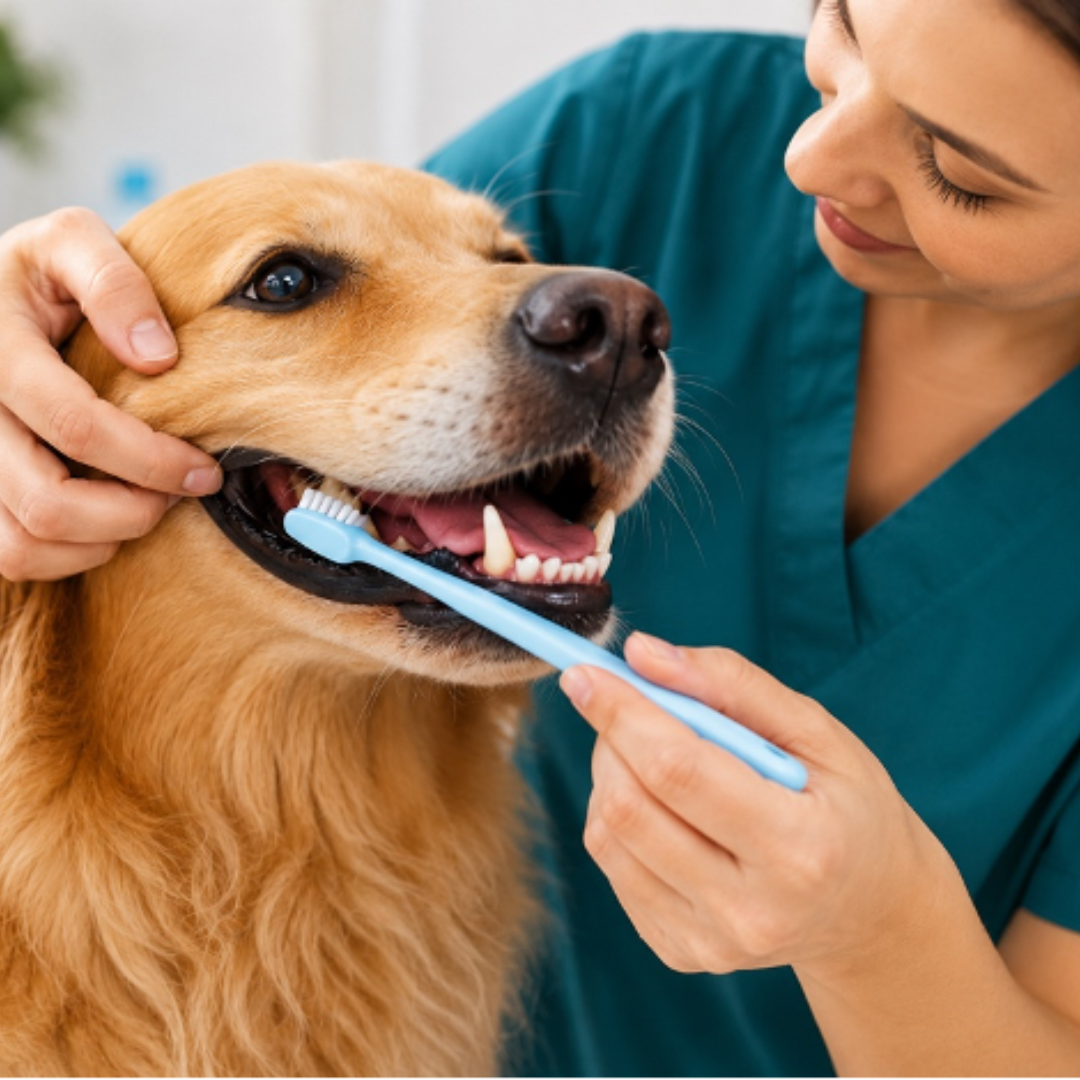
Just like people, pets need regular dental care to stay healthy. Dental disease is one of the most common health problems seen in dogs and cats, affecting most pets over the age of three. Without treatment, poor oral health can lead to pain, tooth loss, bad breath, and even affect major organs such as the heart, liver, and kidneys.
At Yass Valley Veterinary, we’re passionate about preventative dental care and helping pets enjoy happier, healthier lives.
Why Dental Health Matters
Healthy teeth are about much more than fresh breath.
Bacteria and plaque build-up on your pet’s teeth every day. If left untreated, this hardens into tartar, causing gum inflammation (gingivitis). Over time, this can progress to periodontal disease, which damages the tissues supporting the teeth and can lead to chronic pain and infection.
Maintaining good dental health can help your pet:
- Eat comfortably
- Reduce pain and inflammation
- Prevent tooth loss
- Improve overall health and wellbeing
- Enjoy a better quality of life
Signs Your Pet May Have Dental Disease
Many pets hide discomfort, making dental disease difficult to spot until it’s advanced.
Common signs include:
- Bad breath
- Yellow or brown tartar on the teeth
- Red or swollen gums
- Difficulty eating or chewing
- Dropping food while eating
- Pawing at the mouth
- Loose or broken teeth
- Excessive drooling
If you notice any of these symptoms, it’s time to book a dental check.
How to Keep Your Pet’s Teeth Healthy at Home
Daily dental care makes a big difference.
Some simple ways to protect your pet’s teeth include:
- Brushing your pet’s teeth with a pet-safe toothpaste
- Feeding veterinary-approved dental diets when recommended
- Offering dental chews designed to reduce plaque
- Providing safe chew toys
- Scheduling regular veterinary dental examinations
Even if brushing isn’t possible every day, any dental care is better than none.
Professional Dental Checks and Cleaning
Home care is important, but it can’t remove hardened tartar below the gumline.
Professional dental procedures performed under general anaesthetic allow your veterinarian to:
- Examine every tooth thoroughly
- Take dental X-rays if required
- Remove plaque and tartar
- Polish the teeth
- Treat damaged or infected teeth
Routine dental procedures can prevent more serious and costly problems later.
Prevention is the Best Treatment
Dental disease develops gradually, which is why regular check-ups are so important.
During your pet’s annual health examination, your veterinarian will assess their oral health and recommend the most appropriate dental care plan based on their age, breed and lifestyle.
Early intervention often means simpler treatment and a healthier mouth.
FAQs: Pet Dental Health
How often should I brush my pet’s teeth?
Daily brushing is ideal, but even brushing a few times each week can significantly reduce plaque build-up.
How do I know if my pet needs a dental cleaning?
Your veterinarian can assess your pet’s teeth during a health check. Signs such as bad breath, tartar, inflamed gums, or difficulty eating often indicate that professional treatment is needed.
Are dental chews enough?
Dental chews can help reduce plaque, but they don’t replace tooth brushing or professional dental care.
At what age should dental care begin?
Dental care should begin while pets are young, so they become comfortable with brushing. Preventative care from an early age helps reduce dental disease later in life.
Can dental disease affect my pet’s overall health?
Yes. Untreated dental disease can cause chronic pain, and bacteria can enter the bloodstream, potentially affecting the heart, liver and kidneys.
Keep Your Pet Smiling with Yass Valley Veterinary
Looking after your pet’s teeth is one of the best investments you can make in their long-term health. Whether your pet is due for a routine dental check or requires a professional dental procedure, our experienced veterinary team is here to help.
Contact Yass Valley Veterinary today to book a dental health assessment and keep your pet smiling for years to come.