

The Magic of Mayhem
Admin Team
Keeley give us an extraordinary insight into a day in the life of a veterinary receptionist. From 8am to 6pm it's go, go, go and she takes it all in her stride. Boisterous cockatoo's to vomiting puppies you name it they see it.
The Magic of Mayhem
By Keeley Adams
Your usual shift as a veterinary receptionist is about to begin. Glancing at your schedule for the day, it will undeniably look remarkably different by 6pm. You inspect the clock and view the hand about to tick over to 8am – it’s almost time for the phone lines to open.
You square your shoulders and bravely meet the eyes of the other receptionist across from you as you prepare like soldiers would for war; it’s go time. Your headset starts ringing and you have seven callers on the line in the span of a few seconds. The schedule looks full already but you don’t give up, searching to see where you can possibly fit them all in. Moving around the colour-coded appointments like a real-life game of Tetris, you fist-pump when you accomplish what seemed impossible 10 minutes ago. This continues for a few hours; an endless cycle of being seemingly full for the day but not able to turn away callers with sick pets who you know from experience may be urgent cases.
Some of the calls are decidedly less urgent. You spend 6 minutes on the phone with a client who assures you that their dog has been getting ‘oxtun’ for years and they need to order some more. You rack your brain trying to work out what ‘oxtun’ could be, presuming it to be some sort of drug, before realising that the elderly caller is actually trying to order “ox tongue” for her dog… You provide her the correct number for the local butcher.
Meanwhile, you can see your other receptionist carrying her fifth boxful of injured wildlife out the back for a vet or nurse to assess; by the way the box is bouncing about in her arms and making an awful screeching sound, you presume it to be a boisterous cockatoo. Good luck with that one, guys!
By the time the clock reaches 11am, you scurry into the break room to boil the jug for your second (or third) cup of coffee before retrieving the multiple vials of blood for the external pathology courier whom you all lovingly refer to as “The Blood Man.” You don’t let the sight of the four different types of bodily fluids you see being tested in the lab deter you from that coffee you were making. And yes, that’s right, I said four bodily fluid types… use your imagination!
Back at your desk, the cutest puppy imaginable is in for its first vaccination and hobbles behind the reception desk to say hello. And while many would assume that veterinary receptionists only cuddle puppies all day, the reality is that they also have to be constantly prepared as the first to assess and respond to any emergency calls.
Both phones ring at 1pm, and with your receptionist’s equivalent of the “spidey-sense”, predict that these will be the “big calls” for the day. As suspected, one caller describes how their puppy has eaten a whole box of rich, Belgian chocolates while they were at work and the second client requires urgent help for a calving at a rural property. You get to work quickly, asking the dog owner to bring their pet into the vet hospital immediately and confirm the address and contact details of the client for the calving which a vet will have to go out to as soon as possible.
You race out the back to let the vets and nurses know while your other receptionist works at rescheduling some of the non-urgent appointments to slightly later in the day. One vet is out the door with his nurse as quickly as he can to the calving, while the others prepare for the urgent case coming through the door.
A short time later, you watch as the cheeky chocolate-eating puppy is out the back, vomiting to expel the toxins they ingested into a bucket (and no-doubt reminding some staff of distinct instances from their youths which they’d rather not remember).
The rest of the day flies by with countless vaccinations, consults and hospital patients, and before you know it, the vet who was sent out to the emergency calving exhaustedly returns, their overalls covered in substances one would rather not think about (or smell) for too long. You dread to think about what their assigned work car must look like inside!
Eventually, the clock ticks over to 6pm and the phone lines finally close, allowing any other emergencies to be handled by the appointed after hours vet. The receptionists heave a sigh of relief, finally getting a break from the non-stop sound of the phone ringing and everyone prepares to go home.
One thing I have learnt about being a veterinary receptionist is that it certainly consists of more than just booking appointments; it is about managing the “magic of mayhem” that exists in our workplace in which everything can change in the blink of an eye… or the ringing of a phone.
But we wouldn’t have it any other way.
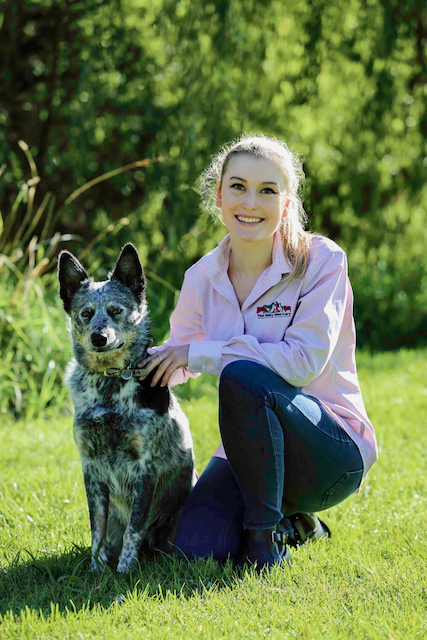

The pet wellness program designed to keep your pets happy and healthy all year round. At Yass Valley Veterinary, we’re excited to introduce Supertails, the pet wellness program designed to make it easier (and more affordable) to keep your pets happy and healthy all year round. What is Supertails? Supertails is a simple monthly membership that gives you unlimited vet consults plus discounts on everyday services and preventative care. It’s all about providing peace of mind, affordability, and the very best care for your furry family members. Why Join Supertails? Unlimited vet consults – no extra cost for those “just in case” visits. Exclusive member discounts on routine services like dental, desexing, and vaccinations. Peace of mind knowing you can prioritise your pet’s health without worrying about the bill. Better preventative care with regular visits that catch issues early. Supertails makes it easier to say “yes” to the care your pet deserves.
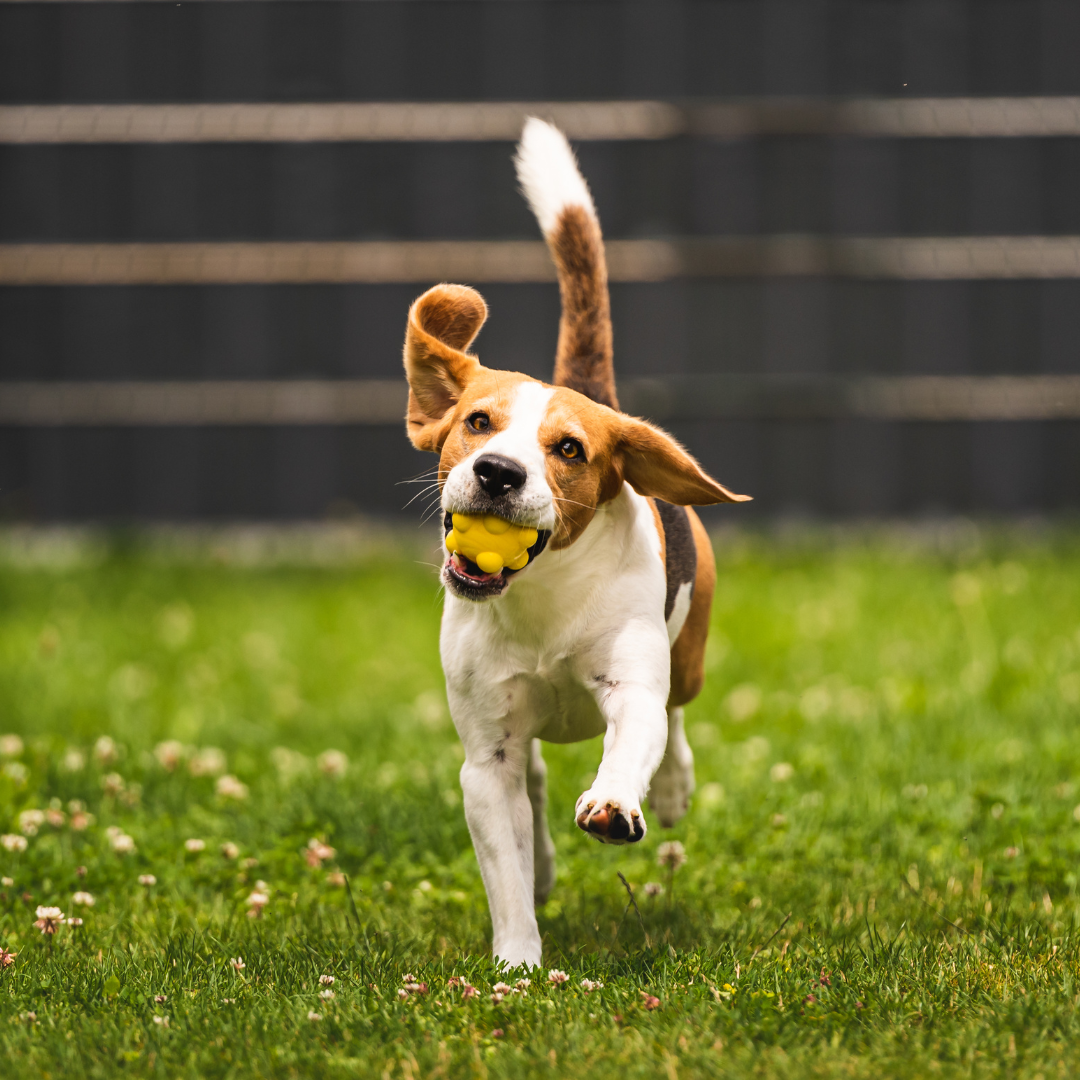
Spring brings longer days and more opportunities to enjoy the outdoors with your pet. While the warmer weather is exciting, it also brings seasonal hazards that can put curious dogs and cats at risk. Across New South Wales, spring means increased snake activity, parasites, blooming plants and seasonal allergens. Knowing what to look out for can help keep your pet safe. At Yass Valley Veterinary , we’re passionate about preventative care and helping pets stay healthy all year round. Why Spring Can Be Risky for Pets Warmer weather encourages pets to spend more time outdoors, but it also creates ideal conditions for seasonal hazards. As temperatures rise, snakes become more active, parasites increase, and gardens fill with plants and products that may be harmful to pets. Even pollen and grasses can trigger allergies in some animals. Protecting your pet during spring can help: Reduce the risk of snake bites Prevent parasite infestations Avoid accidental poisoning Keep skin and ears healthy Enjoy safer outdoor adventures Common Backyard Hazards to Watch For Many spring hazards are easy to overlook until they become a problem. Common risks include: Snakes in long grass, bushland and gardens Ticks, fleas and worms Seasonal allergies caused by pollen and grasses Toxic plants, fertilisers, herbicides and snail baits Grass seeds and other hazards hidden in long grass If you notice your pet becoming unwell after spending time outdoors, contact your veterinarian as soon as possible. How to Keep Your Pet Safe This Spring Simple preventative measures can significantly reduce your pet’s risk. Some easy ways to protect your pet include: Keep parasite prevention up to date. Avoid long grass where snakes may be hiding. Check your pet after walks for ticks, grass seeds or injuries. Keep toxic plants and garden chemicals out of reach. Supervise pets while they’re exploring the backyard. Contact your veterinarian if your pet appears unwell. Even small changes can make a big difference to your pet’s health and safety. When to Seek Veterinary Care Prompt treatment is essential if your pet has been exposed to a seasonal hazard. Seek veterinary care immediately if your pet: May have been bitten by a snake Has eaten a toxic plant or garden chemical Shows signs of weakness or collapse Has difficulty breathing Vomits repeatedly Develops severe swelling or allergic reactions Early treatment often leads to the best possible outcome. Prevention is the Best Protection Many spring emergencies can be prevented with regular health checks and year-round preventative care. During your pet’s annual examination, your veterinarian can recommend the most appropriate parasite prevention, discuss seasonal risks in your area and help you prepare for a safe spring. A little preparation now can help keep your pet happy and healthy throughout the season. FAQs: Hidden Dangers in Your Backyard This Spring Can pets get seasonal allergies? Yes. Pollen and grasses commonly cause itchy skin, ear infections and irritated paws in both dogs and cats. What should I do if I suspect a snake bite? Keep your pet calm and seek emergency veterinary attention immediately. Do not wait for symptoms to develop. How often should I use parasite prevention? Follow your veterinarian’s recommendation based on your pet’s lifestyle and the parasites common in your local area. Are garden products dangerous for pets? Yes. Fertilisers, herbicides and snail baits can all be toxic if ingested, so they should always be stored safely and used according to the manufacturer’s instructions. How can I make my backyard safer this spring? Keep grass short, remove toxic plants where possible, maintain parasite prevention, supervise outdoor play and regularly check your pet after spending time outside. Keep Your Pet Safe This Spring with East Doncaster Vet Hospital Spring is one of the best times of year to get outdoors with your pet, but it’s also important to stay aware of the seasonal hazards that come with warmer weather. Whether you need advice on parasite prevention, seasonal allergies or spring safety, our experienced veterinary team is here to help. Contact Yass Valley Veterinary today to book a health check and help your pet enjoy a safe and healthy spring.
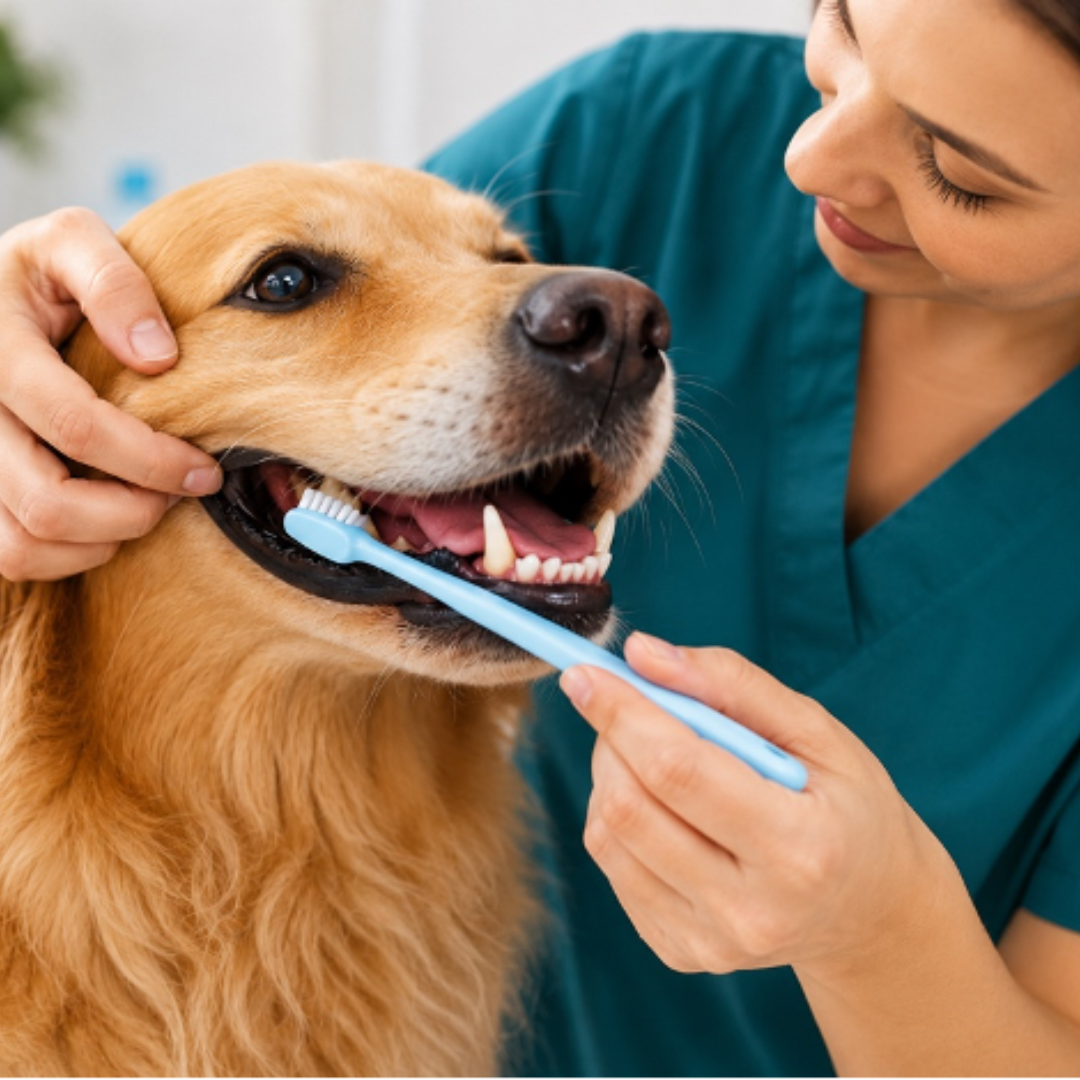
Learn how to keep your dog or cat's teeth healthy with simple dental care tips and preventative advice.
