Pets and Bee Stings: How to Keep Them Safe
Admin Team

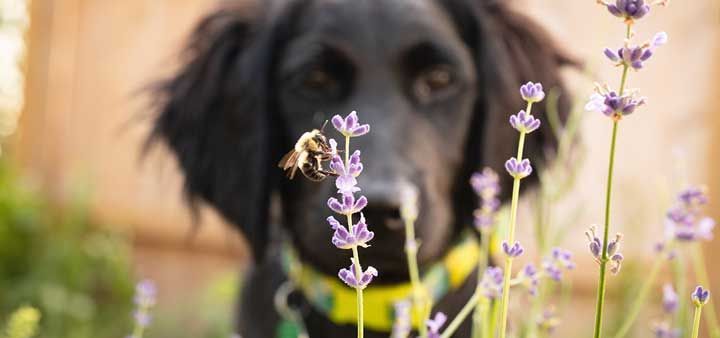
As the weather warms up and flowers bloom, both pets and their owners enjoy spending more time outdoors. However, with the beauty of spring and summer comes the increased activity of bees and other stinging insects. While bees are vital for the ecosystem, they can pose a danger to curious pets who may get a little too close. A bee sting may cause pain, swelling, and, in some cases, serious allergic reactions. So, how do you keep your pet safe from bee stings, and what should you do if they get stung? 

Here’s everything you need to know about pets and bee stings: 


Why Do Pets Get Stung? 

Pets, especially dogs, tend to be curious creatures. They often chase after buzzing insects or paw at them out of curiosity. This behaviour puts them at risk of getting stung, particularly on the face, paws, or mouth. Cats are usually more cautious, but even they can be victims of bee stings if they play with or disturb a bee. 

Signs Your Pet Has Been Stung by a Bee 

Pets can’t tell us they’ve been stung, but there are several signs to watch for, including: 

  • Sudden yelping or pawing at the face or mouth 
  • Swelling, redness, or hives at the sting site 
  • Biting or licking the area where they’ve been stung 
  • Drooling or difficulty swallowing (if stung in the mouth or throat) 
  • Limping if they were stung on the paw 
  • General discomfort or restlessness 

When to See Us 

Most bee stings will heal on their own with minimal care. However, you should seek veterinary attention if: 

  • Your pet has been stung multiple times. 
  • The sting is near their eyes, mouth, or throat. 
  • They show signs of an allergic reaction (swelling of the face, difficulty breathing). 
  • They continue to show pain, limping, or discomfort after 24 hours. 

Preventing Bee Stings in Pets 

While you can’t always prevent your pet from encountering bees, here are a few tips to reduce the risk: 

  • Supervise outdoor play: Keep an eye on your pet when they’re outside, especially around flowering plants where bees may be active. 
  • Avoid areas with high bee activity: Steer clear of places with lots of flowers, gardens, or clover patches when walking your dog. 
  • Teach “leave it”: Training your dog to ignore buzzing insects can help prevent them from chasing or pawing at bees. 
  • Keep food covered: Bees are attracted to sweet treats, so avoid leaving food uncovered during outdoor picnics or barbecues where your pet might explore. 


Bee stings are an unfortunate part of outdoor life, but with some preparation and knowledge, you can help your pet avoid the worst. Always monitor your furry friend when they’re exploring outdoors, and if they do get stung, know the steps to take to keep them comfortable and safe. Remember, if your pet shows signs of an allergic reaction or gets stung multiple times, seek veterinary care immediately. 


With a little care and caution, your pet can enjoy the outdoors safely this spring and summer! 
A puppy is sitting in the grass with its mouth open
By Admin Team November 18, 2025
Welcoming a new furry family member is an exciting time for the whole family. Whether it’s a playful puppy, a curious kitten, or another small companion, January is the perfect time to focus on establishing routines and ensuring your pet’s health and happiness. If you’re a new pet owner, these tips will help you create a loving and safe environment for your newest family member. Schedule a Veterinary Check-Up Even if your new pet has received vaccinations, a full veterinary check-up is essential. Our team can: · Confirm vaccinations and schedule future ones · Conduct health screenings for common conditions · Provide advice on diet, exercise, and preventive care Booking a vet visit early ensures your pet starts the year healthy and prevents potential health issues down the line. Create a Safe and Comfortable Space New pets need time to adjust to their new home. Set up a quiet, cozy area where your pet can feel safe. Include: · A soft bed or crate · Toys and chew items · Food and water bowls in an accessible location This dedicated space helps your pet settle in and reduces anxiety during the first few weeks. Establish a Consistent Routine Pets thrive on routine. Try to: · Feed at the same times each day · Schedule regular walks or play sessions · Set consistent potty-training schedules for puppies or kittens A consistent routine helps your pet feel secure and promotes good behaviour. Invest in Proper Nutrition High-quality, species-appropriate food is vital for your pet’s growth and wellbeing. Consult your vet about: · The right type of food for age, breed, and size · Portion sizes and feeding frequency · Supplements or special dietary needs, if necessary Proper nutrition sets the foundation for a long and healthy life. Socialise and Train Early Early socialisation is key to raising a well-adjusted pet. Introduce your pet gradually to: · Other people and pets · Different environments, sounds, and experiences Training, even basic commands, should start early. Positive reinforcement techniques work best for teaching good habits. Grooming and Hygiene Regular grooming keeps your pet comfortable and healthy. Depending on your pet, you may need to: · Brush their coat regularly · Trim nails and clean ears · Bathe when necessary Our friendly team can advise on a grooming routine suited to your pet’s breed and needs. Monitor Health and Behaviour New pets may hide signs of stress or illness. Keep an eye out for: · Changes in appetite or water intake · Lethargy or unusual behaviour · Signs of discomfort or pain Early detection of health issues allows for prompt treatment and prevents complications. Enjoy this exciting time! Welcoming a new pet into your home is an exciting and joyful experience. By scheduling veterinary visits, establishing routines, providing proper nutrition, and offering love and attention, you’ll set your new pet up for a healthy, happy life. Remember, every pet is unique, so consulting your veterinarian regularly ensures your furry friend thrives in the year ahead. If you’ve recently welcomed a new pet into your home, book a check-up with our veterinary team today! We’re here to provide expert advice, vaccinations, and care to help your furry family member start the year off right.
Owner comforting their pet during a veterinary emergency.
By Admin Team November 18, 2025
If your pet has an emergency during the Christmas holidays, stay calm and contact your nearest emergency vet. Learn key first aid and safety tips from Yass Valley Veterinary.
By Admin Team October 1, 2025
Trips to the vet are essential for your pet’s health, but for many dogs and cats, they can also be stressful. Anxiety at the vet is common, from strange smells and new people to past experiences; it’s no surprise pets sometimes feel nervous. At Yass Valley Veterinary , we’re dedicated to making vet visits calmer, safer, and more positive for both pets and their owners. Book a Low-Stress Appointment Why Pets Get Anxious at the Vet If your dog is scared of the vet or your cat gets stressed in their carrier, you’re not alone. Common reasons pets feel anxious at the vet include: New sights, smells, and sounds Previous negative or painful experiences Separation from their owner during treatment Other animals in the waiting room Understanding these triggers is the first step to helping your pet feel safe. Signs of Pet Anxiety at the Vet Both dogs and cats show stress in different ways. Keep an eye out for these behaviours: Dogs: panting, pacing, whining, shaking, excessive drooling, tucked tail Cats: hiding, vocalising, flattened ears, refusing to leave the carrier, excessive grooming If your pet shows these signs, mention it to your vet so we can adjust our approach. Tips to Calm Your Pet Before a Vet Visit There are simple steps you can take at home to reduce your pet’s anxiety before coming to the vet: Get the carrier ready early: leave it out at home with blankets, toys, and treats. Practice car trips: short rides help dogs and cats feel more comfortable on the way. Stay calm yourself: pets pick up on their owner’s stress. Use calming products: pheromone sprays, treats, or supplements may help (ask us for recommendations). Reward positive behaviour: treats and praise go a long way in reinforcing calmness. Tip: Ask us about adding a wellness check during your appointment so your pet gets used to positive visits, not just when they’re unwell. How We Make Vet Visits Stress-Free At Yass Valley Veterinary , we use gentle, pet-friendly approaches to create a low-stress vet experience: · Calm, reassuring handling techniques · Treats and positive reinforcement during exams · Time to let your pet settle before starting procedures · Cat-friendly spaces and quiet waiting areas where possible For pets with severe anxiety, we may recommend pre-visit medication to make the trip less stressful. FAQs About Pet Anxiety at the Vet 1. How can I calm my dog before a vet visit? Take your dog for a walk, bring favourite treats or toys, and stay calm yourself. Ask us about safe calming supplements or medication if needed. 2. What’s the best way to transport a nervous cat? Use a sturdy carrier lined with familiar bedding. Covering the carrier with a light towel can help reduce visual stress. Leave the carrier out at home so it feels familiar, not just a “vet box. 3. Should I give my pet medication before a vet visit? Only under vet advice. We may prescribe safe, short-term anxiety medication if your pet struggles with extreme stress. 4. Can I stay with my pet during their exam? In most cases, yes. Many pets are more relaxed when their owner stays nearby. 5. What if my pet is too stressed for the appointment? We can reschedule, adjust handling, or recommend calming aids. Our team’s priority is always your pet’s comfort and safety. Book a Stress-Free Vet Visit in Yass & Murrumbateman At Yass Valley Veterinary , we know that every pet is different. That’s why we tailor our approach to your pet’s needs, whether it’s an anxious dog or a nervous cat. Our goal is to make vet visits as calm and positive as possible. 📞 Call us on 02 6226 4444 or Book Now online to schedule a gentle, stress-free appointment.