

One pig, one peso.
Admin Team
‘One pig, one peso; big pig, two peso’!
Anyone that knows Dr Harry, they know he is a bit of a character. Below he tells an accurate (not)
depiction of what happened on an out call when Dr Dan and Nurse Alicia joined him in the great pig wrangle of 2020. If you stick around until the end you are in for a laugh!
Anyone that knows Dr Harry, they know he is a bit of a character. Below he tells an accurate (not)
depiction of what happened on an out call when Dr Dan and Nurse Alicia joined him in the great pig wrangle of 2020. If you stick around until the end you are in for a laugh!
‘One pig, one peso; big pig, two peso’
Let’s not let facts get in the way of a good story. The following story can be confirmed by three eyewitnesses who can confirm that at least some of this story is true, for a more accurate (and more boring) account, please see the diligently detailed case notes.
On a cool Autumn day, I was approached by a fellow with a small, somewhat unusual task which he felt fell under the broad umbrella of veterinary medicine. Mixed veterinary practice brings with it all the unusual, out of the way, and uncommon animal tasks, and this was no different. The task you ask, the care of this fellow’s pet pig’s feet!
Not one to step back from a challenge, I whole heartedly agreed to this porcine pedicure! I was bolstered by the recent success of a nail in clipping in a particularly prickly Pug so I thought a particularly prickly pig would be the next step up. Boy was I wrong. I set out optimistically for this somewhat obscure problem, however, I was not totally naive, and I thought perhaps indeed that this could be a big job, so I of course brought along the secret weapon, Daniel ‘Django’ Gerrard, self-proclaimed ‘Chief Pig Wrangler’. Fortunately, it was Django’s day off and he was overly excited to watch me handle this hog. His only terms and conditions were regarding to payment, ‘one pig, one peso’. An absolute bargain I thought!
We had along with us Alicia, a fantastic nurse with experience in pigs which rivaled mine, that is to say, very limited. Alicia was also excited to see how things would turn out as I was confronted with my first piggy problem.
After a brief drive though the countryside and after a final stretch around the side of a timbered hill, we found ourselves at this site of what was to become, the infamous, ‘Great Pig Wrestle of 2020’.
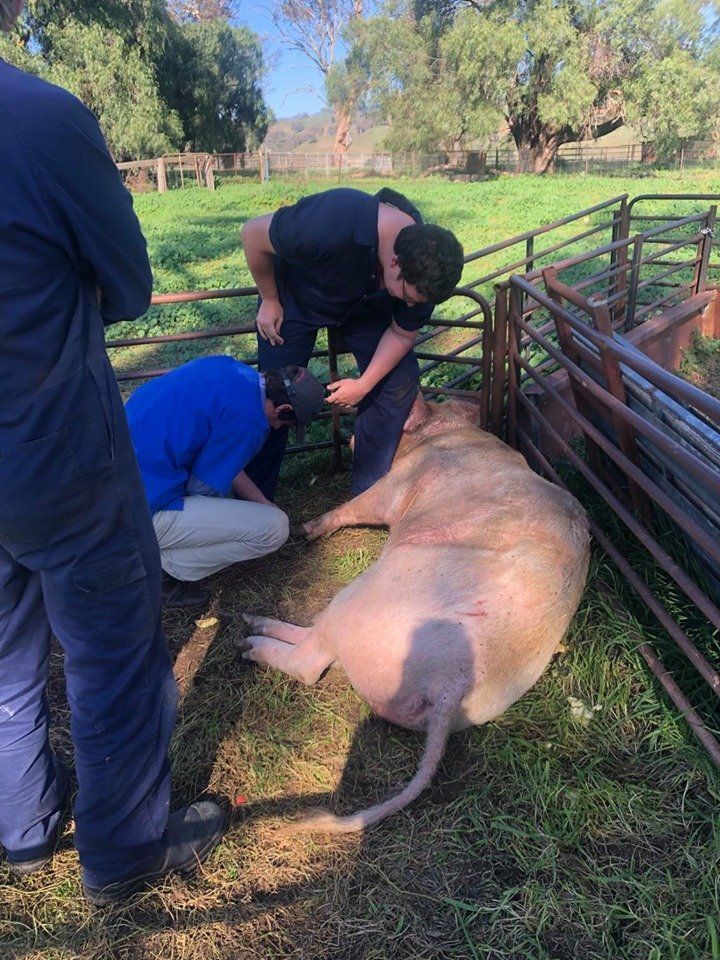
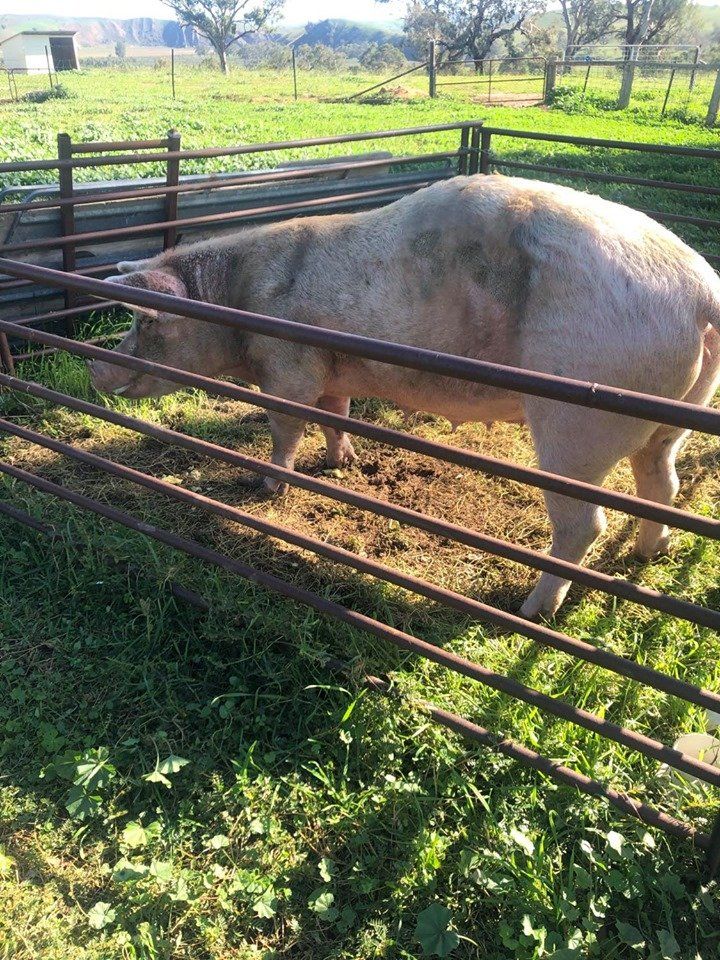
In a small sty, sat a hefty sow, at least 350 kilograms (it gets bigger every time I tell it). Upon seeing my baconer patient, the first misgivings began to enter my mind. Here I was, a new grad vet, dealing with my first hoggy hurdle, armed only with advice I’d read in a textbook, which now seemed woefully inadequate. Daniel, who by this point is starting to sense my concerns, carefully looks at me before saying in a calming voice, “just consider this a great learning opportunity”, before starting to giggle at my present dilemma.
After introductions were made to the owner, we met our cantankerous patient, ‘Hogzilla’ (name changed for the pig’s privacy). ‘Hogzilla’ was a fine pig specimen, who’d been fattened on pumpkins and squash and other assorted garden produce. She was as tall as she was wide and twice as long, she had a long fierce snout and two beady eyes, glinting with rage. Her curly tail twitched as she watched our approach. She snorted and huffed and the hairs on the back of her neck stood up. On closer inspection, once immediate terror had settled, we saw her problem, her front toes had grown and curled with age and were now causing her some grief.
In these cranky creatures, sedation is a must, so I was back to the vehicle to grab a little bit of ‘soothe in a syringe’. Once I’d drawn up my dose, I just had the minor inconvenience of getting it into the provoked porker. The problem was solved simply by reaching over the fence as ‘Hogzilla’ walked by snorting through the rails, and sticking the needle into her rounded rear end. Surprisingly, this went off without a hitch. I injected the sedation with barely a hiccup from ‘Hogzilla’.
Then we sat back and waited. Five minutes passed. Ten minutes passed. Fifteen minutes passed. Nothing. ‘Hogzilla’ stood still, staring furiously back at us. You can only imagine my disappointment (and fear).
As vets, and particularly new grad vets, we want to get the right amount, of the right sedation, into the right animal, every time. It seems that this wasn’t going to be the case, this time. I wasn’t too proud to say that I’d underestimated our patient’s size and weight and attitude. So I trudged back to the car and drew up more sedation.
Round two of ‘poke a needle into the backside of a displeased pig’ began, and surprisingly, it all went well, again. Quietly confident that we were on to a winner now, I collected the hoof trimming gear as we waited. This time, things were more successful, with ‘Hogzilla’s’ irate eyes slowly drooping, until eventually she lay down, sedate. Unfortunately, that was the end of our sedation effects, and although she was down, she was still wide awake and not wanting to be handled. We still had the task of rolling her on her side and trimming her feet. I’ll be honest, if it was just me, that would have been it, there was no chance my lean frame was going to be shifting that pile of pig anywhere.
But of course, the secret weapon. Enter, ‘Django’, our chief pig wrestler. Standing at six foot four, and weighing in at 96 kilos of rippling muscle, undefeated in eleventeen bouts, our champion.
But this was going to be his toughest battle yet, an even though ‘Hogzilla’ was sedated, I was worried this pig might prove too much, oh boy I was wrong.
He rolled up his sleeves and flew on in, there were squeals, there were howls, there were yells, there were yowls. He wrestled and wrastled and snaffled and spat, there was dust, there was mud there was all kinds of sludge, and then, just like that, this big piggy problem was a small swine solution. ‘Hogzilla’ tamed, lying peacefully on her side.
I went to work with my hoof trimmers as Django held ‘Hogzilla’s’ head, and in moments, it was done. Alicia politely smirked, ‘well, I’m not sure what all the fuss was about’.
We left ‘Hogzilla’ to snooze off her sedation and we returned to the car, happy that things had gone well. As I was packing a few things away, Django turned to me a quietly said, “one pig, one peso; big pig, two peso”.
Which I still thought was a pretty good deal.
(note: no pigs or veterinarians were harmed in this dramatized affair. Don’t let facts get in the way of a good story).
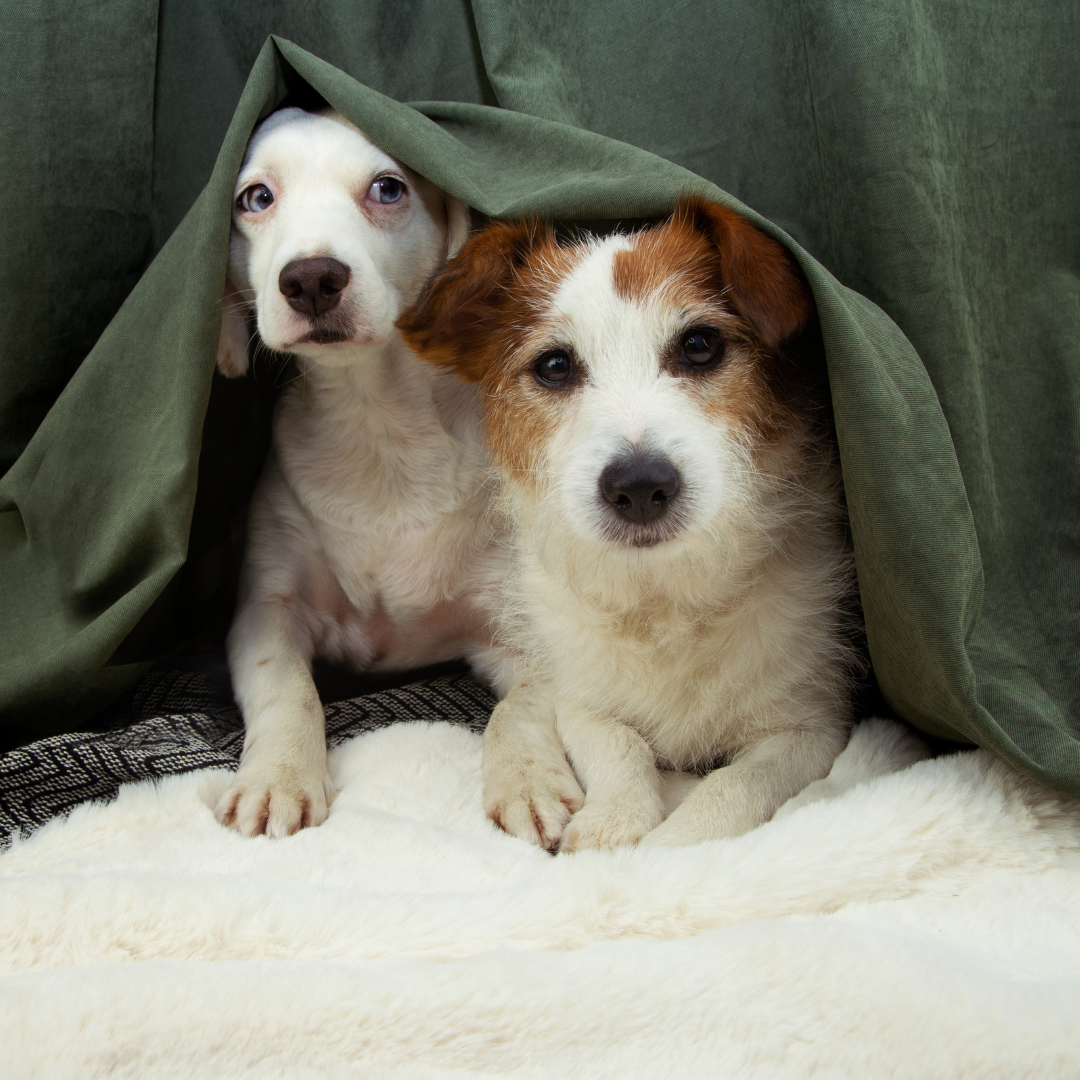
Is your dog or cat easily spooked? Learn how to recognise signs of anxiety in pets, common triggers, and ways to help your pet feel calmer and more secure.
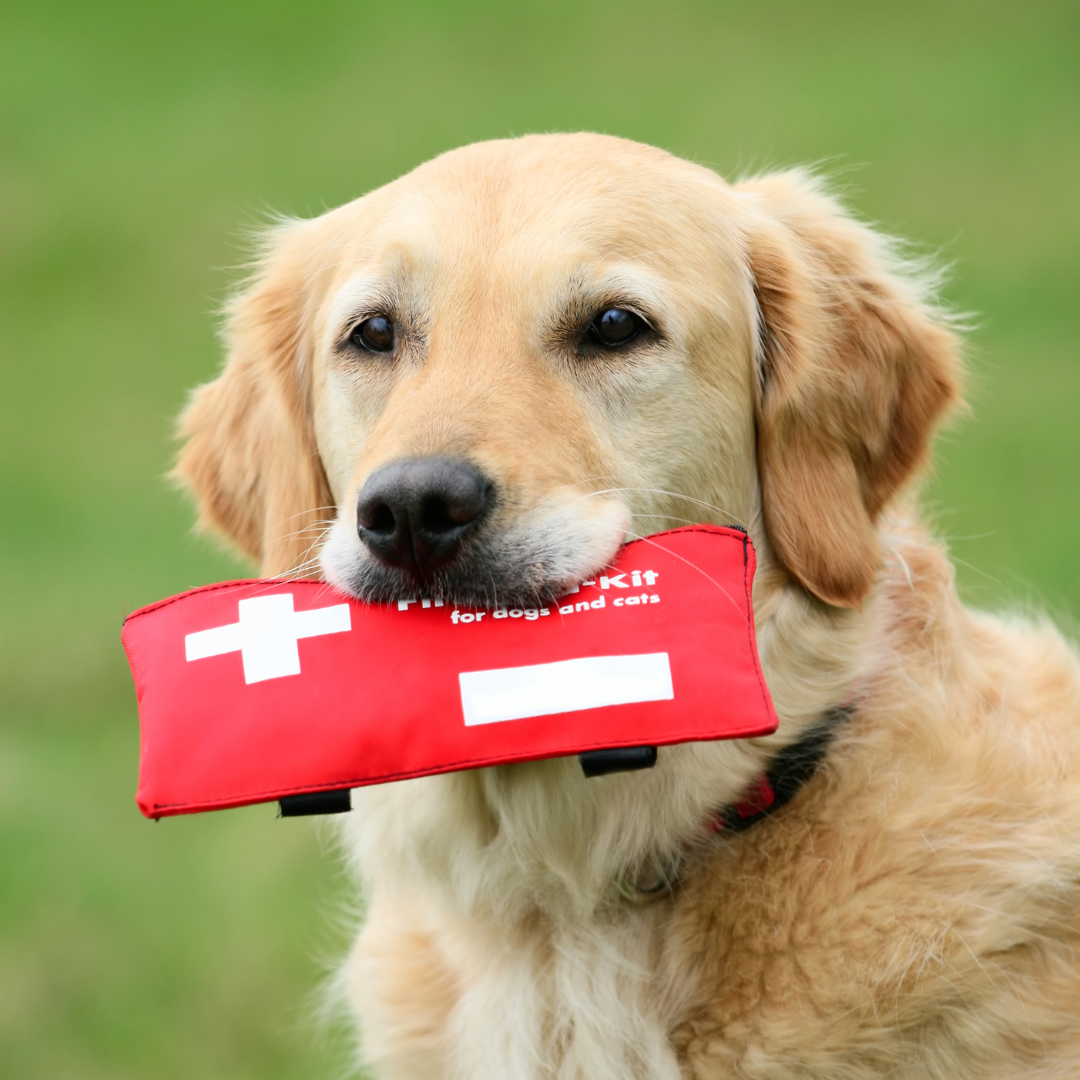
Knowing what to do when your pet is injured or becomes unwell can make a stressful situation feel a little more manageable. While first aid is never a substitute for veterinary treatment, knowing the basics can help you keep your pet safe while you arrange professional care. From bleeding and injuries to seizures, heat stress and toxin ingestion, understanding what to do and what not to do can be invaluable in an emergency. At Yass Valley Veterinary , we’re here to help you understand when your pet needs immediate veterinary attention and how you can provide safe first aid while getting them to the clinic. What to Do in a Pet Emergency The first priority in any emergency is to stay calm and assess the situation. If it is safe to do so: Move slowly and calmly. Keep the environment quiet. Minimise handling. Use a towel or blanket as a barrier if you need to protect yourself. Keep your hands away from your pet’s mouth. Transport your pet to a veterinary clinic as soon as it is safe to do so. Remember: if you’re unsure, treat the situation as an emergency and contact your vet. Check Your Pet’s ABCs In a serious emergency, start by checking your pet’s: Airway: Can air get in? Breathing: Is air moving? Circulation: Is blood flowing? If your pet is having difficulty breathing, has collapsed, is unresponsive, or has pale, white or blue gums, they need immediate veterinary attention. What to Do for Common Pet Emergencies Different emergencies require different first aid responses. Here are some serious situations to be aware of. Wounds and Bleeding If your pet is bleeding: Stay calm. Gently clean the wound with water or saline if appropriate. Apply firm, constant pressure using a clean towel, pad or bandage. Secure the dressing if possible. Seek veterinary treatment. Avoid repeatedly removing the bandage to check the wound, as this can disturb the clot and cause bleeding to start again. If bleeding is severe or uncontrollable, seek emergency veterinary care immediately. Hit by a Car or Other Trauma A pet involved in a road accident or other significant trauma should be assessed by a veterinarian, even if they appear to be okay. First, make sure the scene is safe. Check their ABCs and, if there is bleeding, apply firm, constant pressure. If you need to move your pet, use a blanket or flat surface to support their whole body. Keep their body as straight as possible and support the spine. Do not twist or bend their body, and don’t assume they are okay simply because they appear calm or are able to walk. Transport them to a veterinary clinic immediately. Seizures If your pet has a seizure: Move nearby objects away to help prevent injury. Keep the environment quiet. Time the seizure if you can. Keep your hands away from their mouth. Do not try to restrain them. Once the seizure has stopped, keep your pet calm and arrange veterinary assessment. An active seizure is considered an emergency and requires immediate veterinary attention. Heat Stress and Heatstroke Heat stress can become life-threatening quickly, particularly in hot weather. If your pet is showing signs of heat stress: Move them into shade or indoors. Turn on fans or air conditioning. Get them off hot surfaces such as bitumen or sand. Wet their body with cool water. Keep them calm and limit stimulation. Transport them to a veterinarian. Never leave a pet in a hot car, even for a short period, and don’t wait to see whether they improve before seeking veterinary care. Suspected Toxin Ingestion If you think your pet has eaten or been exposed to something potentially toxic, act quickly. If it is safe: Remove any remaining toxin from their mouth. Identify what they have been exposed to. Bring the packaging or take a photo of the product if possible. Estimate how much they may have consumed (even an approximate amount can be useful). Wear gloves if necessary. Transport your pet to a veterinary clinic immediately. Do not make your pet vomit at home unless specifically instructed to do so by a veterinary professional, and don’t wait for symptoms to appear. When Should I Take My Pet to the Vet? Knowing how urgent your pet’s condition is can be difficult. As a general rule, if you’re unsure, it’s safest to seek veterinary advice. Go to the Vet Immediately Seek emergency veterinary care if your pet has: Difficulty breathing Collapsed or is unresponsive An active seizure Pale, white or blue gums Severe or uncontrollable bleeding Been hit by a car or experienced significant trauma Rapid abdominal swelling or suspected bloat A suspected snake bite or toxin ingestion Signs of paralysis or suspected paralysis tick Extreme heat or cold exposure Seek Veterinary Treatment as Soon as Possible Your pet should also be assessed promptly for: Weakness or altered consciousness Pale gums Severe pain Toxin ingestion Difficulty or inability to urinate Severe dehydration Generalised weakness Persistent vomiting Wounds Neurological signs Even seemingly minor symptoms can sometimes indicate an underlying problem, so if you’re concerned about your pet, contact your veterinary team. How to Safely Handle an Injured or Frightened Pet An injured or frightened pet may behave differently from normal, even if they are usually friendly. Pain and fear can cause pets to bite or scratch. Approach slowly and calmly and speak softly to help reassure them. Avoid direct face-to-face contact and watch for warning signs such as growling, a stiff body or wide eyes. A towel, blanket or jacket can be used as a barrier to help protect you while handling your pet. Keep your face away from their head and avoid putting your hands near their mouth. If it is safe to do so, temporary restraint may help. For dogs, a towel or lead can be used as a makeshift muzzle, but never muzzle a dog if their breathing is compromised or they are vomiting . Cats can be gently wrapped in a towel to help minimise movement. Only move your pet when necessary, such as if they are in immediate danger. If you do need to move them, support their whole body, particularly the spine and limbs. What to Include in a Pet First Aid Kit Having a pet first aid kit at home and when travelling can help you respond quickly to minor injuries while arranging veterinary care. Consider including: Towels Two leashes Pillowcase Sanitary pad or nappy Bandage or pet first aid kit Scissors Bottle of water Plastic bags Gloves Notepad and pen Cling wrap (optional) Keep your first aid supplies somewhere easy to access so you aren’t searching for them during an emergency. Remember: First Aid Isn’t a Substitute for Veterinary Care Pet first aid is about keeping your pet safe and providing basic support while you arrange professional treatment. It shouldn’t delay a veterinary assessment when your pet is seriously injured or unwell. In an emergency, fast is good, but calm is better . Simple actions can make a difference, but getting your pet to a veterinarian as soon as it is safe to do so is the priority. FAQs: Pet First Aid 1. What should I do if my pet is injured? Stay calm, minimise handling and assess their airway, breathing and circulation. If there is bleeding, apply firm, constant pressure with a clean towel, pad or bandage. Seek veterinary treatment as soon as possible. 2. Should I make my dog vomit if they eat something toxic? No. Do not make your pet vomit at home unless specifically instructed by a veterinary professional. Identify what they have ingested, bring the packaging or a photo if possible, and seek veterinary care immediately. 3. What should I do if my pet has a seizure? Move objects away to prevent injury, keep the environment quiet and time the seizure if possible. Don’t restrain your pet or put your hands near their mouth. An active seizure requires immediate veterinary attention. 4. What are the signs of a pet emergency? Difficulty breathing, collapse, an active seizure, pale or blue gums, severe bleeding, significant trauma, rapid abdominal swelling, suspected toxin ingestion, suspected snake bite, paralysis and extreme temperatures are all reasons to seek immediate veterinary care. 5. Should I have a pet first aid kit at home? Yes. Keeping basic supplies such as towels, bandages, gloves, scissors and water readily available can help you respond to minor injuries and emergencies while arranging veterinary care. Be Prepared for a Pet Emergency You can’t always prevent an accident or illness, but being prepared can help you respond calmly when your pet needs you most. Save your veterinary clinic’s phone number, keep a pet first aid kit accessible and familiarise yourself with the signs that require immediate veterinary attention. If you’re ever unsure about your pet’s health or an injury, contact Yass Valley Veterinary for advice or seek veterinary care. 📞 Call us today to speak with our veterinary team about your pet’s health and wellbeing.
The pet wellness program designed to keep your pets happy and healthy all year round. At Yass Valley Veterinary, we’re excited to introduce Supertails, the pet wellness program designed to make it easier (and more affordable) to keep your pets happy and healthy all year round. What is Supertails? Supertails is a simple monthly membership that gives you unlimited vet consults plus discounts on everyday services and preventative care. It’s all about providing peace of mind, affordability, and the very best care for your furry family members. Why Join Supertails? Unlimited vet consults – no extra cost for those “just in case” visits. Exclusive member discounts on routine services like dental, desexing, and vaccinations. Peace of mind knowing you can prioritise your pet’s health without worrying about the bill. Better preventative care with regular visits that catch issues early. Supertails makes it easier to say “yes” to the care your pet deserves.
